


.png)

.png)
.png)
Table of Contents
Finding Effective Depression Therapy in Philadelphia
Finding the right depression therapy in Philadelphia can feel overwhelming, but taking a structured approach helps. Start by verifying that any therapist you consider holds a current Pennsylvania license--such as an LPC, LCSW, LMFT, or licensed psychologist--and has specific experience treating depression. The Substance Abuse and Mental Health Services Administration (SAMHSA) emphasizes that working with credentialed, evidence-based providers is the foundation of effective care.
Ask about the therapeutic modalities a provider uses. Cognitive Behavioral Therapy (CBT), Dialectical Behavior Therapy (DBT), and Interpersonal Therapy (IPT) are all gold-standard approaches backed by research. If you also struggle with substance use, look for a center that uses integrated treatment models. The American Society of Addiction Medicine (ASAM) criteria recommend matching the level of care--from outpatient therapy to more intensive programs--to the severity of both depression and any co-occurring conditions. A practical next step is to call the SAMHSA National Helpline at 1-800-662-HELP (4357) or use their online treatment locator to find licensed depression counseling in Philadelphia options that fit your insurance and scheduling needs.
Many people also benefit from holistic or somatic therapies that complement traditional talk therapy. When you speak with a provider, ask whether they offer these approaches. For those ready to start their journey, explore our Depression Treatment Philadelphia PA program at Rosewood Recovery, where holistic therapy is combined with evidence-based care. Our team understands that the right fit--therapist personality, location, and schedule--makes all the difference. Recovery Begins Here, and we are here to help you take the next step.
This information is for educational purposes and not a substitute for professional medical advice.
Recognizing Clinical Depression and Treatment Options in Philadelphia
Depression affects millions of Americans, and many people struggle to distinguish between temporary sadness and a clinical condition. If you are seeking depression treatment philadelphia pa, we can help you understand your options. According to the Substance Abuse and Mental Health Services Administration, depression impacts approximately 1 in 6 adults, and a significant portion of those individuals also experience co-occurring substance use disorders. Understanding the signs and knowing where to find effective depression therapy in Philadelphia is the first step toward feeling better.
Clinical Depression vs. Everyday Sadness: Key Differences
While everyone experiences sadness from time to time, clinical depression is a diagnosable medical condition with specific criteria. The DSM-5 defines major depressive disorder as experiencing at least five symptoms over a minimum two-week period, with one symptom being either depressed mood or loss of interest. Key indicators that distinguish clinical depression from ordinary sadness include:
- Duration and persistence: Symptoms are present most of the day, nearly every day, for at least two weeks
- Functional impairment: Difficulty maintaining work performance, relationships, or daily self-care routines
- Physical symptoms: Significant changes in sleep patterns, appetite, energy levels, or psychomotor activity
- Cognitive impact: Diminished concentration ability, feelings of worthlessness, or recurrent thoughts of death
These symptoms cause clinically significant distress and are not better explained by another medical condition or substance use. If these signs sound familiar, depression care is available close to home at Rosewood Recovery.
Evidence-Based Therapies for Depression in Philadelphia
Effective depression counseling Philadelphia residents can rely on includes several therapeutic approaches proven to reduce symptoms and improve quality of life. Cognitive Behavioral Therapy helps individuals identify and restructure negative thought patterns that fuel depressive episodes, while Dialectical Behavior Therapy provides practical skills for emotional regulation and distress tolerance. We integrate these evidence-based modalities with holistic and somatic approaches, including mindfulness practices and yoga therapy, which address the mind-body connection often disrupted by depression. Each client receives a personalized treatment plan that draws from these therapeutic options based on their unique needs and recovery goals.
Treating Co-Occurring Depression and Substance Use Disorders
Many people seeking help at Philadelphia depression treatment centers also experience substance use disorders, creating a complex clinical picture. The American Society of Addiction Medicine recommends integrated treatment that addresses both conditions simultaneously rather than sequentially, as this approach leads to better outcomes. Our Partial Hospitalization Program and Intensive Outpatient Program are designed to provide this coordinated care, allowing clients to receive consistent treatment for both depression and substance use while maintaining their daily responsibilities. Through our General Outpatient Program, clients step down to less intensive support as they build stability. If you are ready to begin your journey towards happiness and freedom, schedule a consult call with our team to discuss how our programs can support your recovery.
This information is for educational purposes and not a substitute for professional medical advice. Individual results are not guaranteed and depend on many factors including commitment to treatment. Recovery Begins Here.
Benefits of Integrated Depression and Addiction Treatment in Philadelphia
Now let's explore the specific benefits of this approach for individuals in Philadelphia. Integrated depression therapy in Philadelphia offers a powerful path to recovery by addressing both mental health and substance use challenges at the same time. This coordinated method targets the deep connection between mood disorders and addiction, giving you the tools to heal on every level without the delays of treating each condition separately.
Faster Relief Through Integrated Care
Treating depression and addiction simultaneously can lead to faster symptom improvement compared to sequential approaches. When both conditions are managed together, the shared neurobiological and psychological factors that drive them can be addressed in a unified way. According to Substance Abuse and Mental Health Services Administration data, integrated care has been shown to reduce dropout rates and improve engagement. This means you spend less time cycling between active symptoms and more time building healthy coping skills. At Rosewood Recovery, our multi-disciplinary team coordinates every aspect of your care, from medication management to evidence-based therapies, so depressive episodes and relapse triggers are tackled in tandem. This approach reduces the frustration of fragmented treatment and helps you feel meaningful progress sooner, often within the structured environment of our programs serving the Philadelphia area.
Personalized Treatment Plans for Long-Term Recovery
Personalized depression counseling in Philadelphia addresses both the addiction and underlying mood issues through a plan built specifically for you. Using the American Society of Addiction Medicine Criteria, we assess key dimensions such as withdrawal potential and emotional stability to recommend the right level of care, whether that is our Partial Hospitalization Program, Intensive Outpatient Program, or General Outpatient Program. Your plan integrates proven therapies like Cognitive Behavioral Therapy with holistic and somatic modalities, all adjusted as your needs evolve. This tailored approach recognizes that no two recovery journeys are alike, especially when co-occurring conditions are present. By matching treatment intensity to where you are right now, we create a foundation for long-term resilience. Our dedication to personalized planning helps you build the skills and confidence needed for lasting freedom from both depression and addiction.
Access to Top-Rated Depression Treatment in Philadelphia
Choosing among Philadelphia depression treatment centers can feel overwhelming, but integrated care simplifies the process by offering comprehensive support under one roof. Rosewood Recovery, located in Newtown, is approximately 30 minutes from Philadelphia, giving you easy access to top-rated depression treatment without extensive travel. Our facility provides a full continuum of care, allowing you to transition smoothly between levels of treatment as your recovery progresses. For a full list of trusted mental health treatment Pennsylvania providers, see our curated resource. We combine evidence-based therapies with a welcoming environment designed to help you feel safe and supported from your very first visit. Individual results depend on patient commitment and circumstances; consult your provider for professional advice.
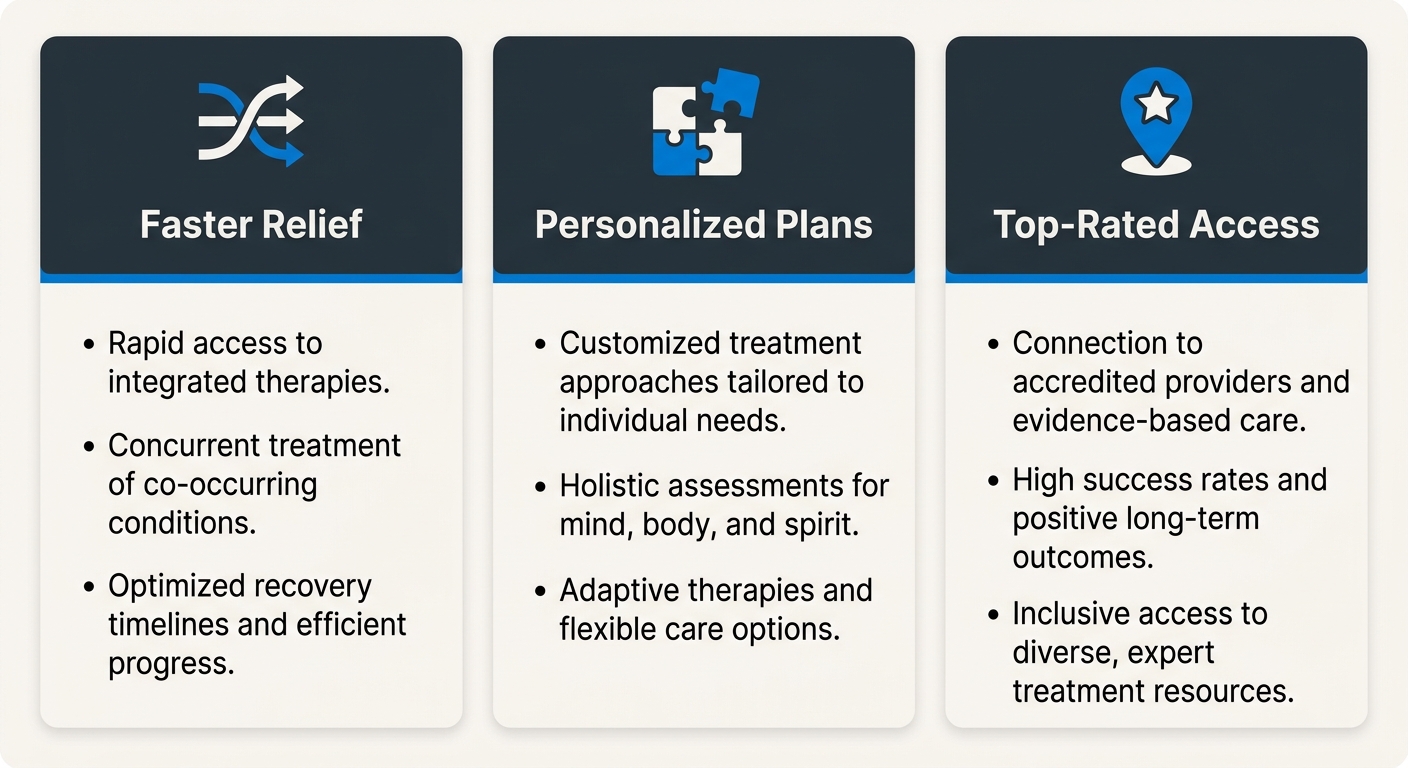
Key benefits of integrated depression and addiction treatment
With these benefits in mind, the next step is understanding which integrated treatment path is right for you. Recovery Begins Here, and we invite you to begin your journey towards happiness and freedom today.
How Depression Therapy Works in Philadelphia: Programs and Process
Once you recognize the signs of depression, the next step is understanding how therapy works. When considering depression therapy in Philadelphia, knowing the step-by-step process helps you make an informed decision. Our team at Rosewood Recovery is dedicated to guiding you through each stage, ensuring you feel supported and informed from the very first call. Recovery Begins Here.
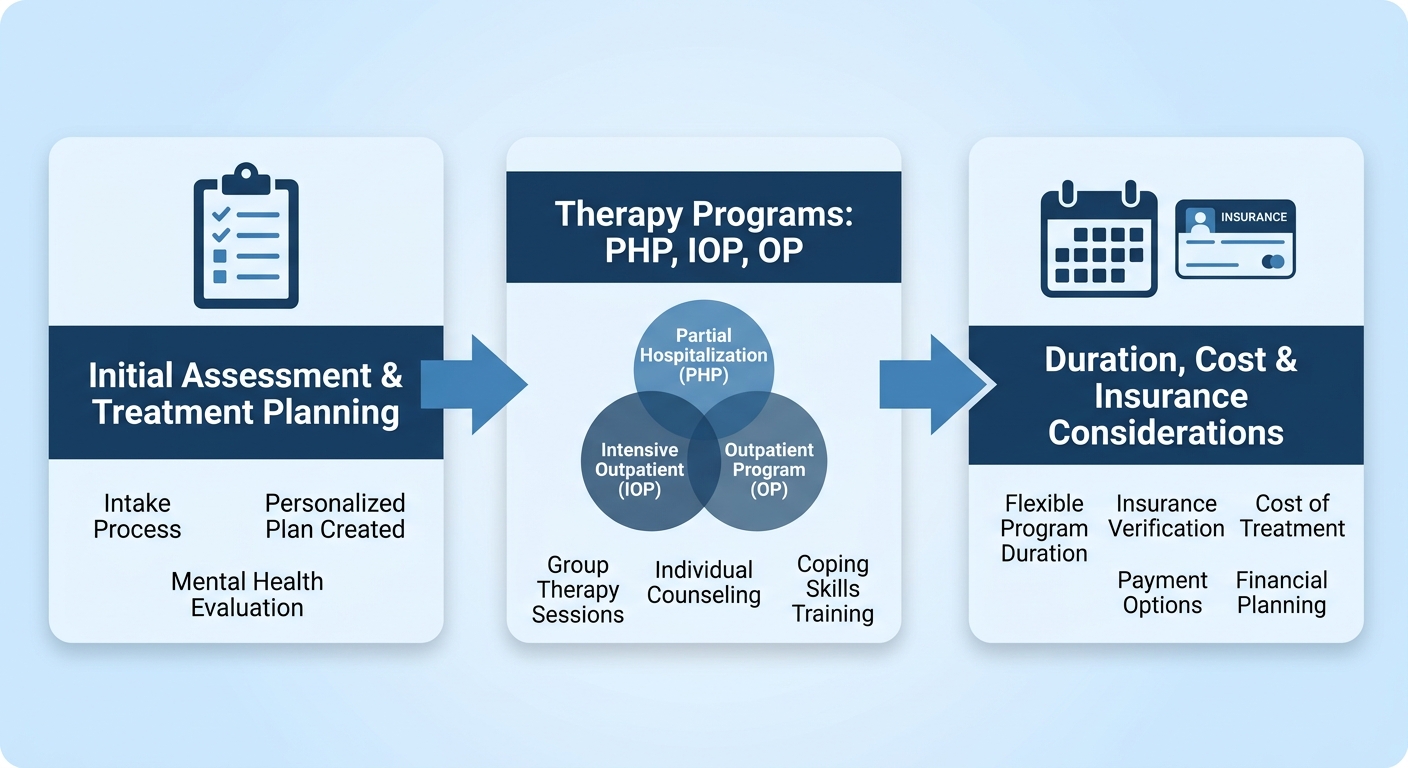
Recovery journey from assessment to therapy
Initial Assessment and Treatment Planning
Your journey with us begins with a comprehensive 60 to 90-minute clinical interview. Many people seeking depression counseling in Philadelphia start with this essential first step. During this appointment, we use standardized tools like the PHQ-9 depression severity scale, review your personal and family mental health history, and discuss your specific goals and challenges. This thorough evaluation allows our clinical team to develop a truly personalized treatment plan. Following the guidelines set by the American Society of Addiction Medicine (ASAM) for levels of care, we determine the most appropriate starting point, whether it's a Partial Hospitalization Program, an Intensive Outpatient Program, or General Outpatient services. Your plan may integrate various evidence-based therapies, such as cognitive behavioral therapy, dialectical behavior therapy, and holistic approaches, to address your unique needs.
Therapy Modalities and Program Structures
We offer a full continuum of care designed to meet you where you are. Our programs, structured according to ASAM criteria, provide different intensities of support, and another way people access depression therapy in Philadelphia is by choosing the right level of structure.
- Partial Hospitalization Program (PHP): Our most intensive option, PHP typically involves therapy 5 to 7 days a week for 6 or more hours daily. It provides a structured, supportive environment with individual, group, and family therapy, plus holistic activities like yoga and art therapy.
- Intensive Outpatient Program (IOP): A step down in intensity, our IOP, part of our Outpatient Mental Health Services Philadelphia, allows you to return home in the evenings. You will attend therapy 3 to 5 days a week for about 3 hours each day.
- General Outpatient Program (OP): This program offers the most flexibility, with 1 to 2 individual therapy sessions per week, each lasting about an hour. It is ideal for those transitioning from a higher level of care or managing milder symptoms.
We use evidence-based practices grounded in guidelines from the Substance Abuse and Mental Health Services Administration (SAMHSA), ensuring you receive the most effective care possible.
Duration, Cost, and Insurance Considerations
Treatment duration varies based on your individual progress and needs. As a general guideline, our PHP typically lasts 4 to 6 weeks, IOP can range from 6 to 12 weeks, and OP often continues for 3 to 6 months. For those exploring philadelphia depression treatment centers, understanding the financial aspect is a common concern. Out-of-pocket treatment costs depend on your specific program and insurance coverage. Approximate cost ranges are $500 to $800 per day for PHP, $250 to $400 per session for IOP, and $100 to $200 per session for OP. Our team works with most major insurance providers and will verify your benefits to clarify any out-of-pocket costs before you start your treatment. We encourage you to contact us so we can help you navigate this process.
Disclaimer: The information provided is for educational purposes and not a substitute for professional medical advice. Treatment outcomes depend on patient engagement and individual circumstances, and individual results are not guaranteed. Please consult with a healthcare provider for advice regarding treatment options.
Now that you know what to expect, we invite you to schedule a consult call and begin your journey towards happiness and freedom.
Choosing the Right Depression Therapy in Philadelphia: Best Practices
Now that you understand the types of therapy available, let's explore how to choose the right option for you. When searching for depression therapy in Philadelphia, it is important to consider a provider's qualifications, therapeutic approach, and experience with co-occurring conditions. Recovery Begins Here, and finding the right fit is a crucial first step. We believe that an informed decision can support your path toward lasting well-being.
How to Choose a Depression Counselor in Philadelphia
Finding the right therapist for depression in Philadelphia starts with understanding your options. We recommend prioritizing licensed professionals such as a Licensed Professional Counselor (LPC), Licensed Clinical Social Worker (LCSW), Licensed Marriage and Family Therapist (LMFT), or a licensed psychologist (PhD, PsyD). These credentials indicate rigorous training and adherence to professional standards.
It is also wise to ask about their experience with therapies proven effective for depression. These include Cognitive Behavioral Therapy (CBT), Dialectical Behavior Therapy (DBT), and Interpersonal Therapy (IPT). Since depression often accompanies other challenges, you should inquire about their background with co-occurring substance use disorders. A therapist skilled in integrated care can address the full scope of your needs, which is a cornerstone of our approach to depression counseling philadelphia.
Affordability and Insurance Coverage for Depression Treatment
Navigating the cost of care is a practical concern on your healing journey. To find affordable options, we suggest a few clear steps. First, contact your insurance provider directly to verify your mental health benefits and get a list of in-network counselors. Using the member services number on your card can quickly clarify your coverage.
- Ask about in-network providers for mental health.
- Inquire about sliding-scale fees if you plan to pay privately.
- Verify out-of-network benefits, including deductibles and reimbursement rates.
- Call clinics directly; we are happy to verify your benefits for you.
For residents of Bucks County, we offer depression treatment newtown pa that combines evidence-based care with flexible payment options. Don't let financial questions be a barrier; schedule a consult call with us, and our team can help you understand your options for counseling services for depression in the Philadelphia area. Treatment outcomes depend on patient engagement and individual circumstances.
What to Expect from a Quality Depression Treatment Center
A hallmark of excellent care is a commitment to evidence-based practices, a philosophy championed by organizations like the American Society of Addiction Medicine (ASAM). A quality center will create a personalized plan using proven therapies designed to treat both depression and any co-occurring conditions, following an integrated treatment model.
Look for a depression therapy philadelphia center that offers a full continuum of care. This means having multiple levels of support, such as a Partial Hospitalization Program (PHP), an Intensive Outpatient Program (IOP), and General Outpatient services, so you can step down seamlessly as you heal. The Substance Abuse and Mental Health Services Administration (SAMHSA) provides resources and a treatment locator, which can help in your search for licensed providers. We also incorporate holistic and somatic therapies, treating the whole person rather than just symptoms.
Once you have identified your priorities, the next step is to start your treatment journey with a program that fits your needs. Among philadelphia depression treatment centers, we invite you to explore how our continuum of care, from PHP to outpatient services, can support your unique path forward. Please consult with a healthcare provider for professional advice regarding treatment options, as individual results are not guaranteed.
Take the Next Step Toward Depression Recovery in Philadelphia
Recovery Begins Here. We believe that every person deserves a life filled with purpose and joy. If you're ready to explore depression therapy in Philadelphia, Rosewood Recovery is here to help you take the first confident step.
We offer evidence-based programs for depression: Partial Hospitalization Program (PHP), Intensive Outpatient Program (IOP), and General Outpatient Program (OP). Our holistic and somatic therapy approach distinguishes our depression therapy in Philadelphia from standard care. As a dedicated Philadelphia depression treatment center, we also provide depression counseling in Philadelphia that fits your life. For co-occurring anxiety, our integrated Newtown Square anxiety therapy complements care seamlessly.
The next step is easy: schedule a consult call. Our admissions team will listen to your story, verify your insurance benefits, and recommend the right program without any pressure.
Important Disclaimer: Results may vary based on individual patient factors and circumstances. Treatment outcomes depend on patient engagement and individual circumstances. Please consult with a healthcare provider for professional advice.
Healing is possible. Recovery begins here -- reach out to our team today and take your first step toward a brighter future.


