


.png)

.png)
.png)
Table of Contents
Depression Counseling in Bristol, Pennsylvania
For residents seeking depression counselling Bristol is a vital resource for managing one of the most common mental health conditions in the United States. At Rosewood Recovery, located nearby in Newtown, PA, we understand that finding compassionate, evidence-based care should feel accessible and welcoming. For individuals in Bristol and throughout the area, our depression treatment newtown pa programs offer a compassionate path forward.
According to the National Institute of Mental Health (NIMH), depression is a serious mood disorder that affects how you feel, think, and handle daily activities, but it is also highly treatable. Through our depression counseling Bucks County residents can access individual and group therapy sessions designed to help manage symptoms. Because depression and addiction often occur together, our depression and addiction treatment integrates evidence-based therapies such as Cognitive Behavioral Therapy (CBT), Dialectical Behavior Therapy (DBT), and holistic practices like mindfulness. Recovery Begins Here, and we are ready to help you begin your journey towards happiness and freedom through our Partial Hospitalization Program (PHP), Intensive Outpatient Program (IOP), and General Outpatient Program (OP).
If you or a loved one in Bristol is struggling, we invite you to schedule a consult call and start your treatment with us. Individual results are not guaranteed and depend on many factors including commitment to treatment. This information is for educational purposes and not a substitute for professional medical advice.
Understanding Depression Counseling for Co-Occurring Disorders
Now that we understand how depression and substance use often co-occur, let's take a closer look at how depression counseling is a vital part of recovery. At Rosewood Recovery, we provide evidence-based depression therapy in Bristol, PA, tailored for individuals facing both mental health and addiction challenges. This comprehensive approach helps you address the root causes of your struggles rather than just the symptoms.
What Is Depression Counseling?
Depression counseling is a structured therapeutic process designed to help individuals understand and manage the symptoms of depression. We offer Depression Therapy Bristol PA. When we talk about it in the context of our programs, the focus extends beyond mood alone. It specifically targets the underlying emotional pain that often fuels substance use. Our counselors work with you to identify triggers, develop healthier coping mechanisms, and build a life worth living without the need for self-medication. By integrating this support with addiction treatment, we treat the whole person, not just isolated conditions. According to the National Institute of Mental Health, millions of adults experience a major depressive episode each year, and a significant percentage of them also face a substance use disorder, highlighting the critical need for dual-diagnosis informed care. Results may vary based on individual patient factors and circumstances.
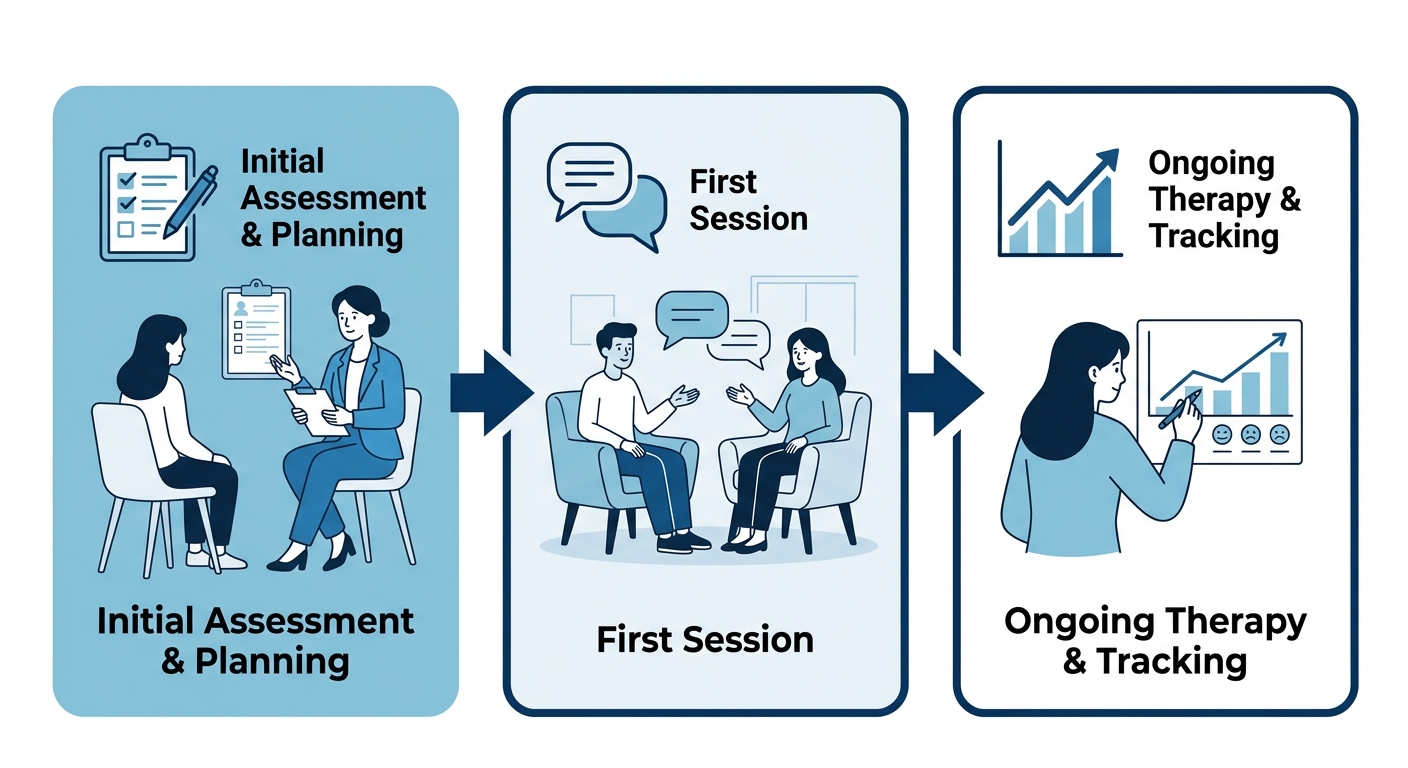
Visual guide to depression counseling: initial assessment, first session, and ongoing therapy tracking.
Three-panel infographic on depression counseling for co-occurring disorders.
Signs You May Need Professional Support
Recognizing when to seek help is the first step toward healing. For those seeking depression counseling in Bucks County, it's important to understand the signs that professional support could be beneficial. Here are some key indicators:
- Persistent sadness or hopelessness: You feel down most of the day, nearly every day, and see little hope for the future, sometimes using alcohol or drugs to escape these emotions.
- Loss of interest: Activities, hobbies, and social connections that once brought joy now feel meaningless, often leading to increased isolation and substance use.
- Using substances to cope with mood: You find yourself turning to drugs or alcohol as a primary way to manage feelings of emptiness, guilt, or irritability.
- Withdrawal from social support: You are pulling away from family and friends, preferring to be alone, which can worsen both your mood and reliance on substances.
- Increased irritability or anger: You are experiencing heightened agitation or angry outbursts that are out of character, leading you to self-medicate to calm your nerves.
The Substance Abuse and Mental Health Services Administration (SAMHSA) notes that many individuals with co-occurring disorders use substances as a form of self-medication, making it essential to address both issues simultaneously for effective recovery.
Effective Therapeutic Approaches for Depression
Effective depression and addiction treatment requires evidence-based therapies that have been adapted for dual-diagnosis conditions. At Rosewood Recovery, we integrate a range of approaches to support your journey.
Cognitive Behavioral Therapy (CBT) helps you restructure negative thought patterns that contribute to both depressive feelings and addictive behaviors. In our programs, this means learning to recognize how thoughts like "I'm a failure" can trigger the urge to use substances, and replacing them with healthier, balanced perspectives.
Dialectical Behavior Therapy (DBT) focuses on emotional regulation and distress tolerance, teaching you skills to ride out intense emotional waves without turning to substances for relief. This is adapted to help you manage the discomfort that often lies at the intersection of depression and withdrawal.
Holistic and Somatic Therapies form a core part of our philosophy at Rosewood Recovery. We offer practices such as yoga, mindfulness, and art therapy. These modalities address the physical tension and stored trauma that words alone cannot reach, helping you reconnect with your body in a safe, grounding way during your PHP, IOP, or OP program.
Knowing these therapeutic approaches prepares you to explore which program best fits your needs, as we'll discuss next.
Results may vary based on individual patient factors and circumstances. This information is for educational purposes and not a substitute for professional medical advice.
Benefits of Depression Counseling for Co-Occurring Conditions
Because depression and substance use are so closely linked, addressing both together through counseling offers specific benefits. At Rosewood Recovery, our integrated approach to depression and addiction treatment is designed to help you break the cycle of self-medication and build a sustainable foundation for recovery. We understand that treating one condition while ignoring the other often leads to frustration and an increased risk of returning to substance use.
Integrated Treatment Improves Outcomes
Treating depression and addiction simultaneously is a cornerstone of effective care, as recognized by the Substance Abuse and Mental Health Services Administration (SAMHSA). Coordinated care addresses the root emotional drivers of substance use, which can significantly reduce the risk of relapse. When your therapist works with you to manage depressive symptoms, you are less likely to turn to substances as a coping mechanism. This unified depression and addiction treatment model ensures that both conditions receive the attention they deserve, helping you move forward with greater stability and hope.
Our team at Rosewood Recovery incorporates evidence-based practices to help you understand the connection between your thoughts, feelings, and actions. This insight is powerful. While individual results are not guaranteed and depend on many factors including commitment to treatment, many individuals find that integrated care provides a clearer path to wellness than treating each disorder in isolation.
Building Healthy Coping Strategies
Depression counseling in Bucks County equips you with practical tools to navigate challenging emotions without relying on substances. We focus on developing skills that serve you in real-world situations. For example, cognitive restructuring helps you identify and reframe the negative thought patterns that can fuel both depression and cravings. Mindfulness techniques, another core strategy we teach, enable you to observe urges and sad thoughts without judgment, allowing them to pass without acting on them.
These strategies provide a replacement for old habits. When you have a concrete plan for managing a low mood or a triggering situation, you regain a sense of control over your life. We work collaboratively to build a personalized toolkit, so you feel prepared for the ups and downs of everyday life. Recovery Begins Here, with the development of these essential emotional skills.
Long-Term Recovery and Well-Being
Committing to counseling creates lasting, positive change that extends far beyond your time in a treatment program. Over the long term, you can experience improved emotional regulation, stronger and more fulfilling interpersonal relationships, and a profound increase in personal resilience. Sustained sobriety becomes a byproduct of a life that feels truly worth living, not just a daily struggle. Our Newtown facility provides accessible Bristol Depression Counseling for residents throughout Bucks County, offering a supportive space to do this important work.
These long-term benefits are why our integrated programs focus on treating the whole person, and we invite you to explore how we can help you begin your journey towards happiness and freedom. Enhanced quality of life and a renewed sense of purpose are possible when you have the right support. Please consult with a healthcare provider for professional advice regarding treatment options, and remember that individual results are not guaranteed and depend on many factors including commitment to treatment.
If you are ready to take the next step, we encourage you to reach out and schedule a consult call with our caring team to start your treatment.
What to Expect During Depression Counseling Sessions
Once you decide to seek help, knowing what to expect can ease your mind. At Rosewood Recovery, we've designed the depression counseling process to be clear, supportive, and entirely centered on your unique needs. From your very first contact, our team walks alongside you, blending expert clinical guidance with the warmth of genuine partnership. We'll briefly outline the main stages so you feel prepared and empowered every step of the way.
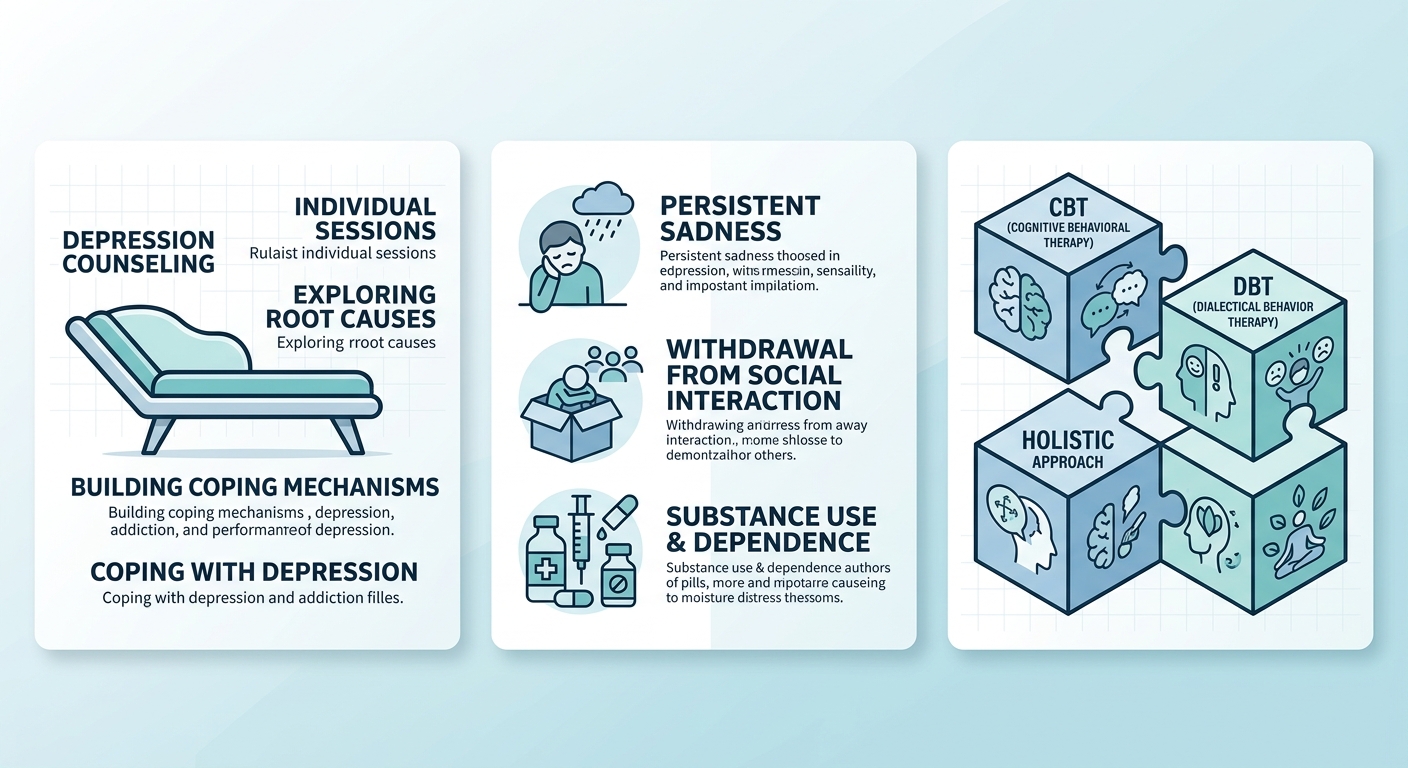
Three-panel infographic on depression counseling for co-occurring disorders.
Visual guide to depression counseling: initial assessment, first session, and ongoing therapy tracking.
Let's break down each stage so you know exactly how we build your path to wellness.
Initial Assessment and Treatment Planning
Your journey begins with a comprehensive initial assessment. During this confidential meeting, we'll conduct a clinical interview to understand your symptoms, life stressors, and history. You'll also complete validated questionnaires like the PHQ‑9 to help us gauge the severity of your depression. Because our Newtown center treats the whole person, we respectfully explore any substance use history as well--this allows us to identify co-occurring concerns early. According to the National Institute of Mental Health (NIMH), cognitive behavioral therapy (CBT) and other evidence-based methods are central to effective care. Based on your assessment, we design a personalized depression treatment Philadelphia PA plan that addresses both your depression and any co-occurring substance use concerns. From here, we'll collaboratively set a direction for your healing.
Your First Counseling Session
Your first official counseling session is all about building trust and clarity. We spend time getting to know you--not just your symptoms, but your strengths, values, and goals. Together, we'll establish realistic short‑term objectives, such as improving sleep routines or learning one grounding technique. Early on, we gently explore thought patterns that may be fueling low mood, and if addiction is part of your story, we weave those discussions into care naturally. For those joining us for depression counseling in Bucks County, our therapists create a space where you can speak openly without judgment. Many clients tell us that simply feeling heard and understood brings a powerful sense of relief. Your counselor will work with you to set realistic goals that feel meaningful and achievable.
Ongoing Therapy and Progress Tracking
As sessions continue, therapy deepens. We regularly integrate CBT strategies to reshape negative thinking, and we may introduce group therapy so you can connect with others on similar paths. Our holistic and somatic practices--including yoga, breathwork, and mindfulness--complement the talk therapy, helping your body release stored tension. Because depression and addiction treatment must evolve as you do, we track progress through regular check‑ins and symptom reassessments, adjusting your plan whenever needed. This flexible approach means your care always feels relevant, never static. Whether you're leaning into new coping skills or navigating a tough week, we're right beside you.
After your counseling sessions, our team will help you continue your progress through our Partial Hospitalization and Intensive Outpatient programs. Recovery Begins Here--schedule a consult call to start your treatment. Begin your journey towards happiness and freedom today.
Results may vary based on individual patient factors and circumstances. Treatment outcomes depend on patient engagement and individual circumstances. Please consult with a healthcare provider for professional advice regarding treatment options.
Finding the Right Depression Counselor in Pennsylvania
Finding a counselor who understands both depression and addiction is key to effective treatment. Whether you're seeking depression counseling in Bristol or exploring options across Bucks County, choosing a professional with the right credentials and experience in integrated care can make all the difference.
What to Look for in a Depression Counselor
A qualified depression counselor should hold a master's or doctoral degree and a state license, such as a Licensed Professional Counselor (LPC), Licensed Clinical Social Worker (LCSW), or Licensed Marriage and Family Therapist (LMFT). Equally important is clinical experience with co-occurring disorders, including depression and addiction, which ensures your provider understands how these conditions interact. Look for additional certifications in evidence-based therapies like Cognitive Behavioral Therapy (CBT) or Dialectical Behavior Therapy (DBT), as these approaches are particularly effective for managing depressive symptoms.
- Verify the provider's license and specialty through the SAMHSA treatment locator (available at the SAMHSA National Helpline and online Treatment Locator) to confirm they meet Pennsylvania's standards.
- Check whether they offer integrated programs that address both depression and substance use, as this combination often leads to better outcomes.
- Ask about their approach to medication management and whether they collaborate with psychiatrists for a holistic plan.
Key Questions to Ask Before Starting
Before committing to a counselor, a short consultation can help you gauge whether their style and expertise match your needs. Consider asking:
- How do you approach treating depression when a patient also has a substance use disorder? (This helps you assess dual-diagnosis experience.)
- What is your treatment philosophy regarding medication, therapy, and holistic approaches?
- How do you handle setbacks or moments when depression symptoms intensify?
- Can you share examples of how you've helped clients manage both depression and addiction?
These conversations give you a clear sense of the counselor's integrated care philosophy and whether they'll treat you as a whole person, not just a collection of symptoms. Remember, treatment outcomes depend on patient engagement and individual circumstances, so finding someone you trust is essential.
Local Options in Pennsylvania
Rosewood Recovery's Newtown facility in Bucks County offers a continuum of integrated care that includes Partial Hospitalization (PHP), Intensive Outpatient (IOP), and General Outpatient programs for depression and addiction treatment. We serve the Bristol area, Morrisville, and Philadelphia, making evidence-based support accessible across southeastern Pennsylvania. If you're near Morrisville, our counseling for anxiety Morrisville page explains how we support both depression and anxiety recovery.
Whether you're exploring depression counseling in Bristol for the first time or looking to strengthen your recovery network, we invite you to schedule a consult call and speak with our team about next steps. You can also use the SAMHSA National Helpline and Treatment Locator to verify licensed providers near you. Results may vary based on individual patient factors and circumstances, and lasting improvement depends on your commitment and the therapeutic relationship you build.
Recovery Begins Here -- reach out today and begin your journey towards happiness and freedom.
Starting Your Journey Toward Recovery
Recovery Begins Here - and it starts with recognizing that depression and addiction are treatable conditions. At Rosewood Recovery, we believe everyone deserves compassionate support, and we are ready to help you find effective depression counselling in Pennsylvania that addresses both mental health and substance use challenges. Taking that first step may feel overwhelming, but you don't have to do it alone - together we can begin your journey towards happiness and freedom.
When you're ready to pursue depression and addiction treatment, practical support is available right now. According to the Substance Abuse and Mental Health Services Administration (SAMHSA), their National Helpline at 1-800-662-HELP (4357) offers free, confidential, 24/7 referrals to local treatment services. A great first step is to connect with a trusted local specialist, such as a psychiatrist Bethlehem PA, who can guide your care plan. For educational background, the National Institute of Mental Health (NIMH) provides authoritative information about depression types, symptoms, and evidence-based depression counselling approaches. Our team offers counseling for depression through multiple program levels, including our Partial Hospitalization Program (PHP), Intensive Outpatient Program (IOP), and General Outpatient Program (GOP).
Start your treatment today by calling us or filling out our contact form to schedule a consult call. Our dedicated team will help you choose the right program for your needs. Disclaimer: Results may vary based on individual patient factors and circumstances. Treatment outcomes depend on patient engagement and individual circumstances. This information is for educational purposes and not a substitute for professional medical advice.


