


.png)

.png)
.png)
Table of Contents
Depression Treatment Options in Levittown
Finding effective depression treatment in Levittown doesn't have to feel overwhelming. At Rosewood Recovery, we offer a range of evidence-based programs designed to meet you wherever you are in your healing process. Our compassionate team provides comprehensive care in Bucks County that addresses the full spectrum of depression severity.
Our Partial Hospitalization Program (PHP) provides structured daily support for those experiencing severe depression, while our Intensive Outpatient Program (IOP) offers flexible scheduling for individuals transitioning from higher levels of care. For those ready to maintain stability with less clinical intensity, our General Outpatient Program (OP) delivers evidence-based depression treatment in Bucks County. Each program is tailored to match your specific needs and recovery goals.
We integrate holistic and somatic therapy approaches that treat the whole person--mind, body, and spirit. For individuals facing depression alongside substance use, our co-occurring depression therapy addresses these interconnected conditions simultaneously. If substance use is also a concern, Rosewood Recovery Addiction Treatment offers integrated care for co-occurring conditions. Recovery Begins Here--schedule a consult call to begin your journey towards happiness and freedom. Individual results are not guaranteed and depend on many factors including commitment to treatment. Next, we will walk you through the steps to start your treatment in Pennsylvania.
Depression Treatment Approaches in Levittown
Seeking depression treatment Levittown families can trust is an important first step toward healing. At Rosewood Recovery, we offer a comprehensive range of care levels -- from structured daily programs to flexible outpatient therapy -- all grounded in evidence-based practices. Understanding your options empowers you to take the next step with confidence.
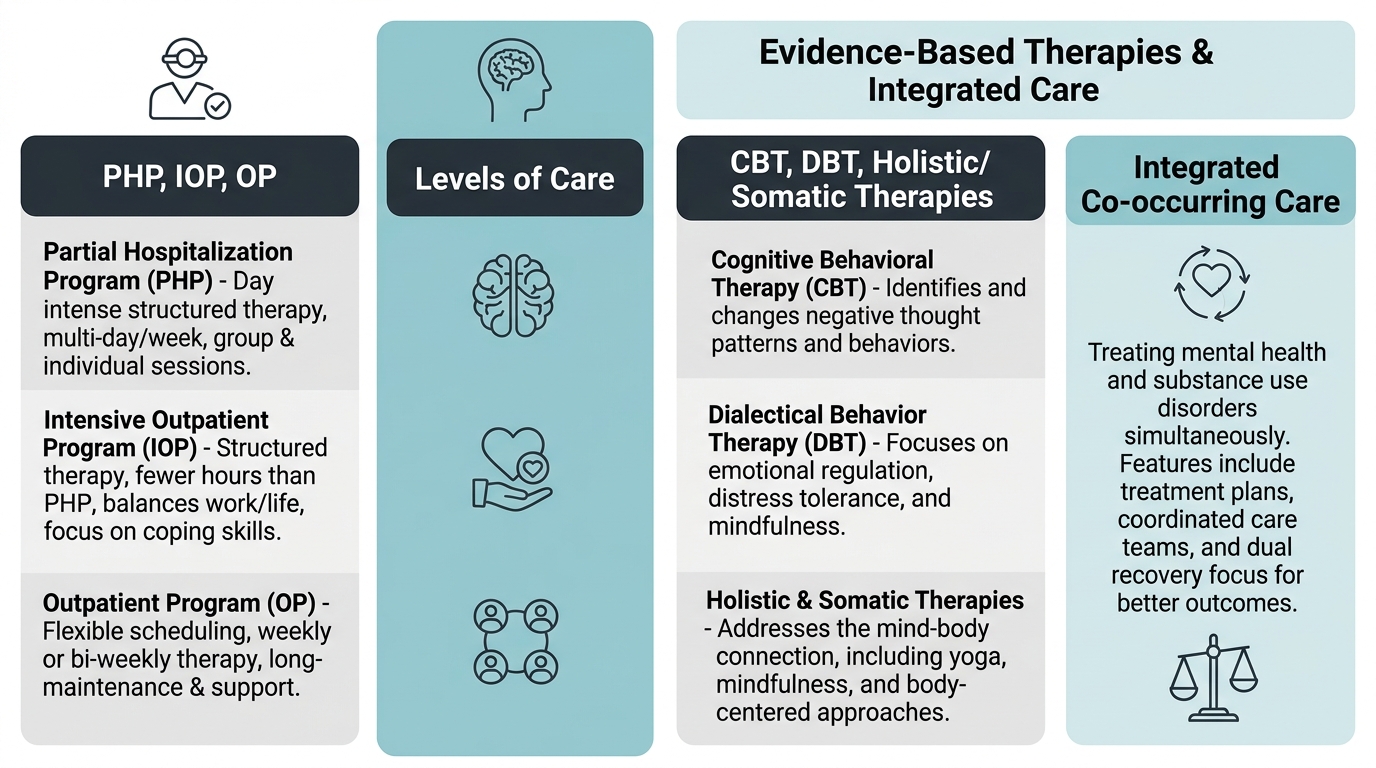
Depression treatment approaches and therapies comparison
Levels of Care in Depression Treatment
If depression treatment Levittown is what you're searching for, understanding the levels of care can help. Our Partial Hospitalization Program (PHP) offers structured day treatment for moderate to severe depression, providing daily therapeutic support without overnight hospitalization. This immersive setting helps you build skills and stability.
The Intensive Outpatient Program (IOP) provides flexible care with 3 to 5 sessions per week, ideal for those with mild-to-moderate depression who need to maintain work or family obligations. Our General Outpatient (OP) program delivers weekly therapy for individuals with mild symptoms or as step-down support to sustain progress.
All treatment plans are individualized, guided by your clinical assessment and recommendations from the Substance Abuse and Mental Health Services Administration (SAMHSA). Whether you need the structure of our PHP in Levittown or are considering depression treatment Newtown PA residents trust, we're here to support you every step of the way.
Evidence-Based Therapies for Depression
At Rosewood Recovery, we rely on proven therapeutic modalities to help people manage depression. Cognitive Behavioral Therapy (CBT) is a cornerstone of our program -- it helps you identify and restructure negative thought patterns and is available at all levels of care, giving you consistent support throughout your journey.
Dialectical Behavior Therapy (DBT) adds practical skills for emotional regulation, distress tolerance, and interpersonal effectiveness, which is especially valuable when co-occurring conditions are present. We also integrate holistic and somatic approaches such as mindfulness, yoga, and breathwork to nurture the mind-body connection and promote overall wellness.
These evidence-based practices align with the highest standards for evidence-based depression treatment Bucks County residents rely on. Our integrated approach ensures that you receive therapy that not only reduces symptoms but also builds lasting resilience and well-being.
Integrated Treatment for Co-Occurring Conditions
When depression exists alongside a substance use disorder, it's crucial to address both conditions at the same time. Our integrated dual-diagnosis program ensures that a single treatment team manages your care, avoiding the fragmented approaches that can undermine recovery. This coordinated model targets the complex interplay between mental health and addiction.
Through co-occurring depression therapy, we use evidence-based methods to help you heal on all fronts. Dual diagnosis care is essential -- treating only depression without addressing substance use rarely leads to lasting wellness. Our clinicians are trained to recognize the unique challenges that arise when these conditions co-occur.
In line with SAMHSA recommendations, our treatment plans are individually crafted to meet your specific needs. To begin your journey towards happiness and freedom, reach out to our team. Recovery Begins Here. Results may vary based on individual patient factors and circumstances.
Why Professional Depression Treatment in Levittown Matters
Given the impact depression can have on daily life, professional help is often the most effective path forward. According to SAMHSA, an estimated 21 million U.S. adults experienced at least one major depressive episode in 2020, and evidence-based treatment significantly improves outcomes. At Rosewood Recovery, we believe Recovery Begins Here--seeking professional depression treatment in Levittown can be a life-changing step toward reclaiming your well-being. Our local clinicians combine clinical expertise with compassionate support so individuals feel heard and guided from the first contact, and supported every step.
Personalized Treatment Plans for Lasting Results
Every journey with depression is unique, so we create individualized treatment plans that honor each person's history, challenges, and aspirations. Our clinical team considers co-occurring conditions--such as anxiety, trauma, or substance use--and integrates co-occurring depression therapy to address the full picture. By collaborating closely, we design a plan that can help you manage symptoms and build the skills for a more stable, fulfilling life. We begin with a thorough assessment, set measurable short- and long-term goals, and regularly review progress so care often adapts as needs change. This personalized foundation sets the stage for our holistic approach, where healing extends beyond symptom reduction.
Holistic and Somatic Therapies for Whole-Person Healing
We complement proven clinical methods with holistic and somatic therapies that nurture the mind-body connection. Practices like yoga, meditation, and somatic experiencing are woven into your care, alongside cognitive-behavioral therapy (CBT) and medication management when appropriate. Our evidence-based depression treatment in Bucks County is designed to support emotional regulation, reduce stress, and restore a sense of physical ease--often leading to greater relief than talk therapy alone. Somatic practices reconnect bodily sensations with emotions, often improving sleep and coping. These therapies reinforce one another, giving you a comprehensive toolkit for sustained wellness.
Insurance Coverage and Accessible Care
Many PPO, HMO, and EAP plans may cover depression treatment, and we want you to access care without financial uncertainty. If you are considering depression treatment Philadelphia PA or anywhere in the greater Bucks County area, our team is ready to provide a free, confidential insurance verification. Our verification process is confidential and provides quick clarity so you can focus on what matters most--your recovery. With personalized care, holistic healing, and accessible payment options, you can begin your journey towards happiness and freedom. In the next section, we'll walk you through our specific treatment programs. Individual results are not guaranteed and depend on many factors including commitment to treatment. To start your treatment, schedule a consult call today.
The Depression Treatment Process in Levittown
Once you decide to move forward, our structured treatment process begins. From your first call through aftercare, we guide you with compassion and clinical expertise.
Initial Assessment and Personalized Plan
Our depression treatment Levittown process starts with a confidential, comprehensive assessment that typically takes one to two hours. You can complete this initial evaluation over the phone or in person at our welcoming facility in Levittown, where we also verify your insurance benefits to streamline your care. During this session, we listen closely to your history, the severity of your depression, and any co-occurring challenges you may be facing.
Our team includes a dedicated Depression Therapist Levittown PA, who works alongside a psychiatrist and case manager to design a personalized treatment roadmap. This plan is fully tailored to your unique goals, depression severity, and any co-occurring conditions, ensuring that your care addresses the whole picture from the very beginning.
This personalized plan sets the foundation for your recovery, guiding you into the active therapy phase.
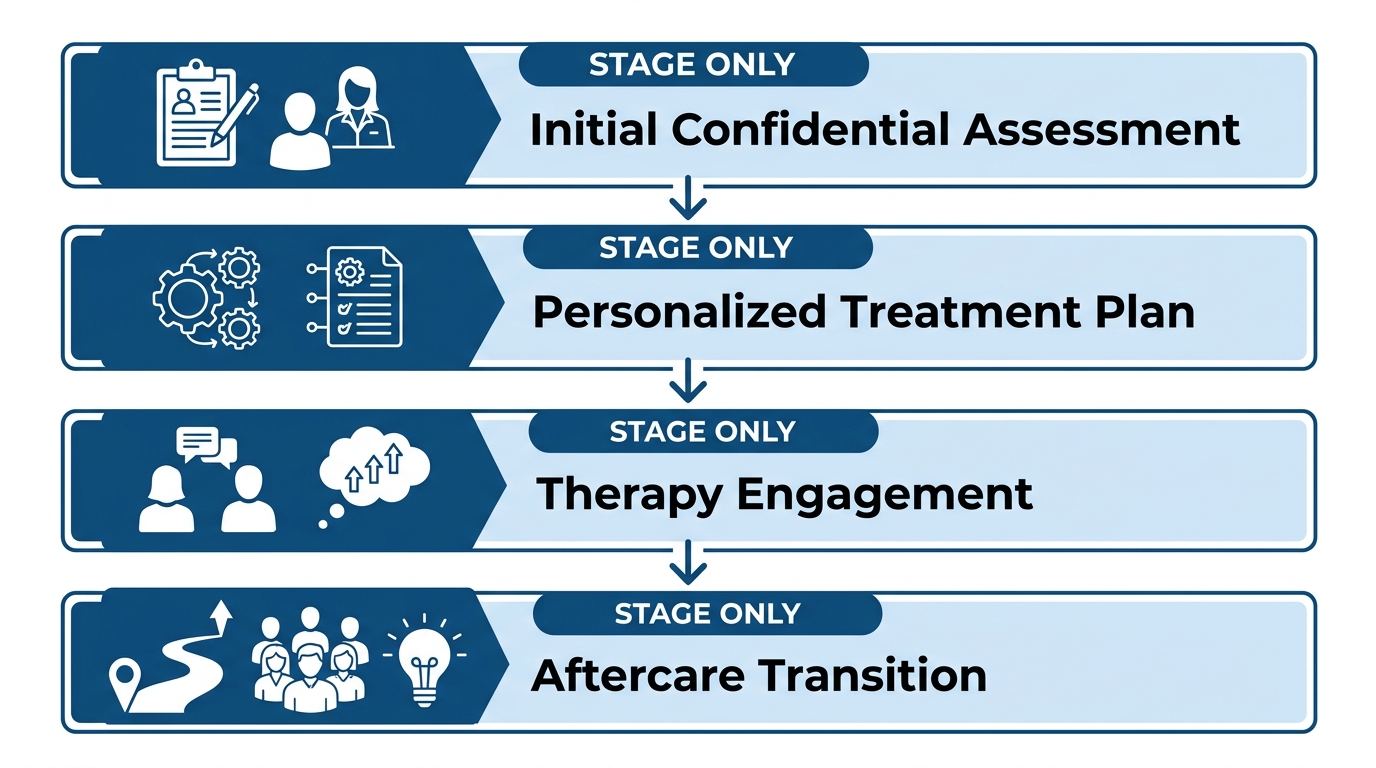
Depression treatment journey at Rosewood Recovery Levittown
With your roadmap in hand, the next phase engages you in the therapeutic work that fosters real change.
Engaging in Therapy and Evidence-Based Modalities
At Rosewood Recovery, we offer a range of program intensities to meet your needs. Our Partial Hospitalization Program (PHP) provides structured support with five or more hours of therapy each day, five days a week, while our Intensive Outpatient Program (IOP) offers three hours per day, three to five days weekly. For those ready for a more flexible schedule, our General Outpatient Program (OP) delivers one to two sessions per week. Every track integrates evidence-based modalities including CBT, DBT, somatic therapy, group therapy, and individual counseling.
We know that depression often does not occur alone. That's why our co-occurring depression therapy in Levittown simultaneously treats anxiety, substance use, or other mental health conditions within your depression care plan. Our evidence-based depression treatment in Bucks County draws from SAMHSA national guidelines, ensuring you receive the highest standard of integrated, research-supported care.
As you progress and your needs evolve, we prepare you for the next step--sustaining your gains beyond the intensive treatment setting.
Transitioning to Continued Recovery
When you're ready, our team helps you step down from PHP to IOP, and then to OP, gradually increasing your independence while maintaining a strong therapeutic connection. Discharge planning starts early, and we work with you to craft a personalized relapse prevention plan that identifies triggers, coping strategies, and community support resources. We also facilitate access to support groups and schedule aftercare check-ins to monitor your progress.
It's important to understand that while these tools can help reduce the risk of relapse, individual outcomes vary based on many personal factors. Results may vary based on individual patient factors and circumstances. This information is for educational purposes and not a substitute for professional medical advice.
To learn more about how we support your continued recovery, schedule a consult call today. Recovery Begins Here--begin your journey towards happiness and freedom with expert care by your side.
Selecting the Right Depression Treatment in Levittown
When you're looking for Depression Therapy Levittown programs, a few key factors can guide your choice. Finding depression treatment in Levittown that truly fits your needs starts with evaluating therapeutic approaches, co-occurring condition support, and the full care continuum.
Look for Evidence-Based Therapeutic Modalities
A quality program will offer evidence-based depression treatment in Bucks County, using therapies proven effective for depression. The Substance Abuse and Mental Health Services Administration (SAMHSA) highlights Cognitive Behavioral Therapy (CBT), Dialectical Behavior Therapy (DBT), and trauma-informed care as core modalities. CBT helps you reframe negative thought patterns, DBT teaches practical skills for managing intense emotions and reducing self-destructive behaviors, and trauma-informed care creates a safe environment sensitive to your experiences. These structured, goal-oriented sessions improve outcomes when administered by trained clinicians. Research consistently shows that CBT and DBT reduce symptoms, so we encourage you to ask providers about their use of evidence-based practices to ensure your care is grounded in science. Choosing a program that prioritizes these modalities is a powerful step toward lasting relief.
Choose a Program That Addresses Co-Occurring Conditions
Depression often co-occurs with substance use disorders, and treating both simultaneously is critical. Co-occurring depression therapy addresses the intertwined nature of these conditions, following SAMHSA's recommendation for integrated treatment. When a program provides dual diagnosis care, you can work on emotional challenges and substance use in a unified way, reducing relapse risk. A comprehensive treatment plan should tackle root causes of both issues, so look for centers that evaluate for co-occurring disorders from the first assessment. Our team understands that healing from depression and substance use requires a coordinated strategy, and we incorporate these principles into every level of care. Integrated support gives you the best chance at full recovery, and a program that prioritizes co-occurring depression therapy helps build a stable foundation for long-term wellness.
Consider the Continuum of Care and Aftercare Support
The best treatment centers offer a continuum of care that adapts to your changing needs. Look for programs with Partial Hospitalization Program (PHP), Intensive Outpatient Program (IOP), and general Outpatient Program (OP) options. At Rosewood Recovery, we provide PHP, IOP, and OP, along with holistic and somatic therapies, so you can step down in intensity while still receiving strong support. Aftercare is equally vital: alumni groups, ongoing therapy, and relapse-prevention planning help maintain progress. Verify that any center you consider includes a clear aftercare path, because continued connection makes a real difference. We are committed to helping you transition smoothly and stay connected. Ensuring seamless progression through levels of care and ongoing support sets you up for lasting recovery.
Selecting the right depression treatment in Levittown is a personal journey. This information is for educational purposes and not a substitute for professional medical advice. Recovery Begins Here--if you're ready to start your treatment, schedule a consult call and begin your journey towards happiness and freedom today.
Begin Your Journey Toward Recovery in Levittown
For those seeking depression treatment in Levittown, finding the right program can feel daunting. At Rosewood Recovery, we offer compassionate depression therapy levittown that meets you where you are. Our dedicated team is here to help you navigate your path to wellness with hope and respect. We walk beside you.
Our evidence-based depression treatment in Bucks County follows national standards set by the Substance Abuse and Mental Health Services Administration (SAMHSA), blending proven clinical methods with holistic and somatic therapies. We offer a full continuum of care -- from Partial Hospitalization (PHP) and Intensive Outpatient (IOP) to General Outpatient -- each tailored to your needs. Because depression frequently accompanies other challenges, we provide integrated co-occurring depression therapy that treats the whole person, not just symptoms.
Please note that individual results are not guaranteed and depend on many factors including commitment to treatment. Our team is committed to providing personalized support every step of the way. If you're ready to take the first step, we encourage you to schedule a consult call and begin your journey towards happiness and freedom. Recovery Begins Here.


