


.png)

.png)
.png)
Table of Contents
Comprehensive Alcohol Abuse Rehab in Langhorne, Pennsylvania
Recovery Begins Here. At Rosewood Recovery, our alcohol abuse rehab clinic in Langhorne, PA, offers comprehensive care for individuals struggling with substance use and co-occurring mental health disorders. Our evidence based addiction treatment programs in Bucks County, Pennsylvania are designed to address each client's unique needs. Our approach integrates medical, therapeutic, and holistic modalities to promote lasting recovery.
Our multi-level continuum includes Partial Hospitalization Program (PHP) for those requiring structured daily support, Intensive Outpatient Program (IOP) for flexible yet rigorous therapy, and General Outpatient Program (OP) for stepped-down care. All levels incorporate holistic and somatic therapies, such as mindfulness, yoga, and body-oriented trauma work, to support whole-person healing. Our programs follow evidence-based practices aligned with national standards from SAMHSA. Our Alcohol Abuse Rehab Center Langhorne PA provides a full spectrum of care that adapts as you progress.
We also specialize in co-occurring mental health disorders treatment in Langhorne, PA, understanding that addiction often accompanies conditions like anxiety, depression, or PTSD. Our licensed clinicians use evidence-based frameworks to address both issues simultaneously. At Rosewood Recovery, we believe recovery is possible for everyone. Begin your journey towards happiness and freedom by reaching out today. Schedule a consult call or start your treatment with our friendly team. Results may vary based on individual patient factors and circumstances. Our comprehensive programs are designed to meet you where you are.
Understanding Alcohol Abuse Treatment Options in Langhorne, PA
Fortunately, there are comprehensive treatment options for alcohol abuse in Langhorne, PA. If you are searching for an alcohol abuse rehab clinic in Langhorne, PA, we provide a full continuum of evidence-based care. At our Alcohol Abuse Treatment Center Langhorne PA, you'll find personalized programs designed to support lasting recovery. Recovery Begins Here.
What Is Alcohol Abuse Rehab?
Alcohol abuse rehab is a structured treatment program that addresses the physical, psychological, and social aspects of addiction. As outlined by the Substance Abuse and Mental Health Services Administration (SAMHSA), effective programs combine medically supervised detoxification, individual and group therapy, and comprehensive aftercare planning. Medical detox helps manage withdrawal symptoms safely under clinical supervision. Therapy sessions then explore the underlying causes of alcohol use and build coping skills for life without substances. Aftercare planning ensures ongoing support through continued counseling, peer groups, or step-down services, helping to sustain progress. Together, these components create a foundation for meaningful, long-term recovery.
Levels of Care: PHP, IOP, and General Outpatient
Aligned with the American Society of Addiction Medicine (ASAM) criteria, our treatment options are structured to match each patient's clinical needs. We design our evidence-based addiction treatment programs in Bucks County, Pennsylvania, to meet individuals where they are in their recovery journey.
- Partial Hospitalization Program (PHP): The most intensive level, typically running five to seven days per week with six or more hours of daily therapy. It offers high structure while allowing patients to return home each evening, making it ideal for those who need a robust clinical environment without 24‑hour residential care.
- Intensive Outpatient Program (IOP): Usually nine to twelve hours of therapy per week spread across three to five days. It provides a strong therapeutic framework for individuals with a supportive home life and moderate severity, often serving as a step‑down from PHP or as a primary treatment option.
- General Outpatient Program: One or two weekly individual or group sessions focused on maintenance, relapse prevention, and continued skill reinforcement. It fits those with mild alcohol use disorder or who are transitioning from more structured care.
Integrated Dual Diagnosis Treatment
Many individuals with alcohol use disorder also experience co-occurring mental health conditions such as depression, anxiety, or PTSD. SAMHSA recognizes that integrated treatment--addressing both substance use and mental health challenges simultaneously--leads to better outcomes. Our integrated dual diagnosis approach includes co-occurring mental health disorders treatment in Langhorne, PA, using coordinated, trauma‑informed therapies. By treating the whole person rather than isolated symptoms, we help patients build resilience, understand the connections between their mental health and alcohol use, and develop healthier coping strategies. This unified model is embedded across all levels of care, ensuring consistent support from the start of treatment through ongoing recovery.
Understanding these treatment options is the first step; every recovery journey is unique, and individual results depend on engagement and personal circumstances. To learn which level of care is right for you, schedule a consult call with our team and begin your journey towards happiness and freedom.
Recovery Begins Here.
Benefits of Evidence-Based Addiction Treatment in Bucks County
Building on the foundations of scientifically grounded care, this approach leads to several key advantages for those in Bucks County seeking recovery. When looking for reliable Bucks County addiction treatment resources, it's important to understand why choosing an alcohol abuse rehab clinic in Langhorne PA that uses research-supported therapies can make a profound difference. Our evidence based addiction treatment programs in Bucks County, Pennsylvania bring these benefits to life through personalized care.
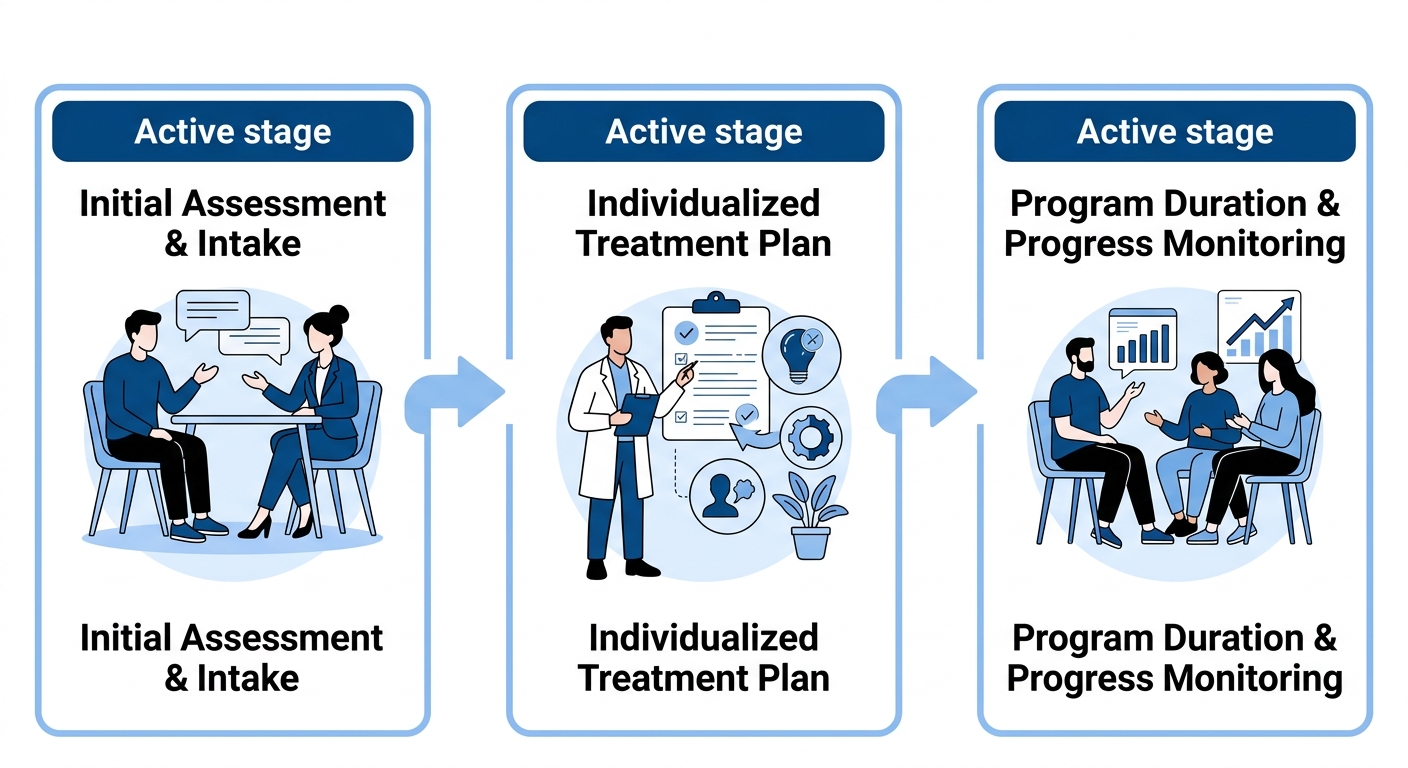
Alcohol rehab process flow in Langhorne, PA
Key benefits of evidence-based addiction treatment
Improved Long-Term Recovery Outcomes
When evaluating an alcohol abuse rehab clinic in Langhorne PA, one of the most important factors is whether its services are backed by rigorous clinical research. According to the Substance Abuse and Mental Health Services Administration (SAMHSA), individuals who participate in therapies supported by scientific evidence are significantly more likely to achieve long-term sobriety. At Rosewood Recovery, we apply these principles across our entire continuum--from our Partial Hospitalization Program (PHP) through Intensive Outpatient (IOP) and General Outpatient (OP) levels of care--so each client receives the appropriate intensity of support for their stage of recovery. This evidence-based framework not only addresses immediate substance use but also helps build the coping skills, emotional regulation, and resilience needed to prevent relapse over time. Our approach means you can start rebuilding a healthy life with methods that have been proven to work.
Addressing Co-Occurring Mental Health Conditions
For many people, addiction does not exist in isolation. Effective co-occurring mental health disorders treatment in Langhorne PA requires a unified approach that addresses substance use and underlying conditions like depression, anxiety, or PTSD at the same time. The American Society of Addiction Medicine (ASAM) guidelines strongly endorse integrated dual-diagnosis care, showing that this model leads to more stable recovery and a significantly lower chance of relapse. At Rosewood Recovery, our clinical teams use evidence-based protocols to weave psychiatric support, individual therapy, and medication-assisted treatment into a single, cohesive plan. By treating the whole person rather than isolating the addiction, we help clients achieve true stabilization and create a stronger foundation for their future. This integrated care model is central to all of our programs, from PHP to OP, and ensures that mental health concerns never derail the recovery process.
Holistic and Somatic Therapy for Whole-Person Healing
Science-based care at Rosewood Recovery extends beyond traditional therapies. Our evidence based addiction treatment programs in Bucks County, Pennsylvania also incorporate holistic and somatic modalities to promote whole-person healing. Practices such as yoga, meditation, breathwork, and Eye Movement Desensitization and Reprocessing (EMDR) help calm the nervous system, process unresolved trauma, and reduce cravings--complementing the gains made in individual and group counseling. We make these therapies an integral part of our PHP, IOP, and OP tracks, offering clients safe and supportive environments to reconnect with their bodies and emotions. This comprehensive model fosters emotional regulation, strengthens personal insight, and equips individuals with practical tools that last well beyond treatment. By blending clinical rigor with compassionate, trauma-informed care, we give each person the best opportunity to rediscover a fulfilling life free from substance use.
Recovery Begins Here. These benefits come alive in our Newtown, PA programs. Begin your journey towards happiness and freedom; schedule a consult call to start your treatment. Treatment outcomes depend on patient engagement and individual circumstances.
The Alcohol Rehab Process: What to Expect in Langhorne, PA
Recovery Begins Here. When you're ready to begin your journey towards happiness and freedom, our team in Langhorne, PA walks you through a clear, structured process--from your very first call to ongoing progress tracking.
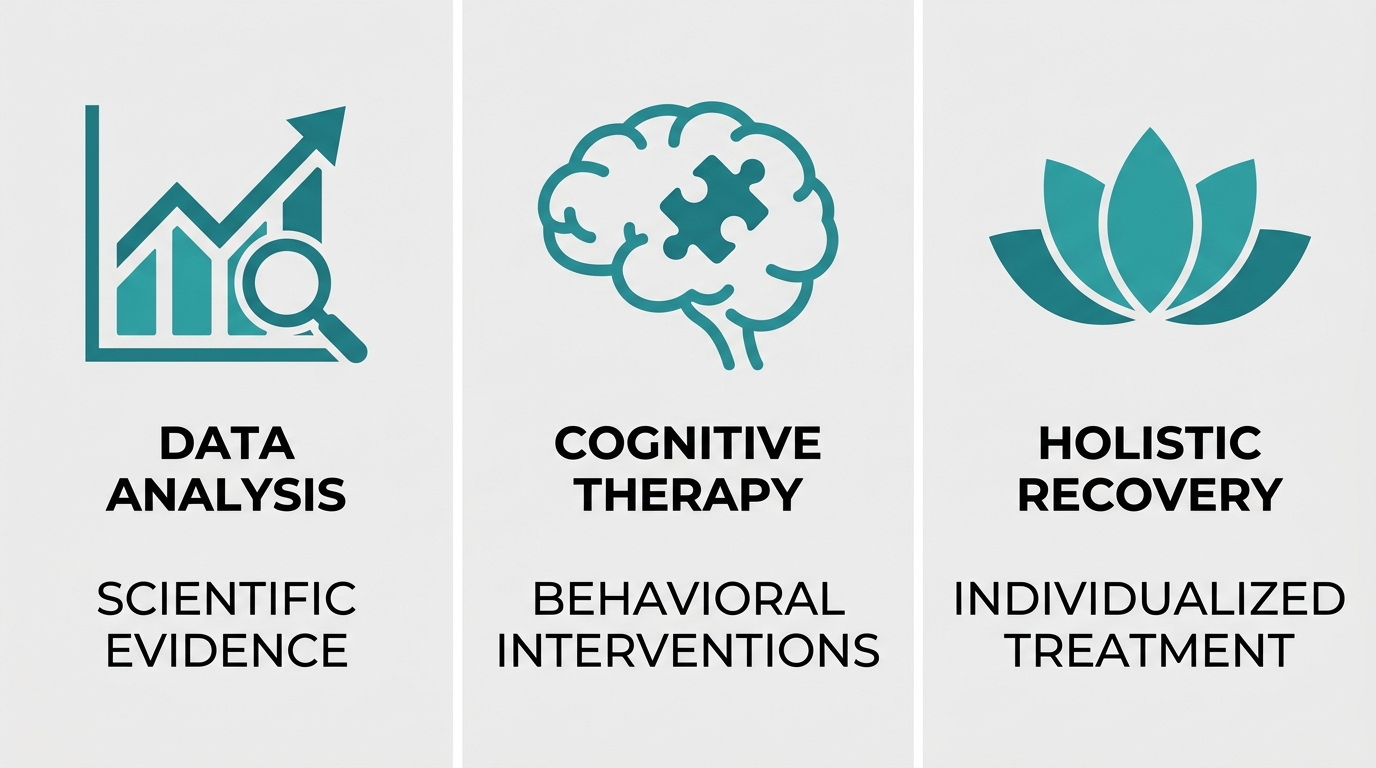
Key benefits of evidence-based addiction treatment
Alcohol rehab process flow in Langhorne, PA
Below, we break down each step so you know exactly what to expect.
Initial Assessment and Intake
When you first contact our alcohol abuse rehab clinic Langhorne PA intake team, you will participate in an initial clinical evaluation conducted by a licensed professional. This assessment reviews your medical history, substance use patterns, and mental health needs. Simultaneously, our Newtown/Langhorne admissions staff verifies your insurance benefits to clarify any coverage for treatment. All information shared is protected under strict HIPAA privacy regulations. According to the Substance Abuse and Mental Health Services Administration (SAMHSA), this comprehensive intake sets the foundation for an effective, evidence-based care plan. This step ensures we truly understand your unique situation before recommending any treatment.
Developing Your Individualized Treatment Plan
Following your assessment, our addiction treatment clinic Langhorne PA team combines your clinical results with your personal history to craft a fully individualized treatment plan. Using the American Society of Addiction Medicine (ASAM) criteria, we assign the appropriate level of care--partial hospitalization program (PHP), intensive outpatient program (IOP), or general outpatient program (OP). Your plan integrates evidence-based therapies like cognitive-behavioral therapy alongside holistic and somatic approaches, such as mindfulness and yoga, to address the whole person. For those with co-occurring mental health disorders treatment Langhorne PA, we incorporate specialized dual-diagnosis counseling, ensuring both conditions are treated simultaneously. By treating the root causes, we help you build a solid foundation for lasting recovery.
Program Duration and Progress Monitoring
Your treatment plan's duration depends on the level of care determined during your assessment. PHP typically requires at least 20 hours of therapy per week over 4 to 6 weeks; IOP involves 9 to 12 hours per week for 6 to 8 weeks; and OP offers 3 to 5 hours per week with flexible scheduling that accommodates work or family obligations. Progress is monitored weekly through clinical reviews and validated tools such as the PHQ-9 mood questionnaire and substance use logs. Adjustments to the pace or focus of care are made based on real milestones, not arbitrary timelines. Results may vary based on individual patient factors and circumstances. Our evidence based addiction treatment programs Bucks County Pennsylvania are designed to provide the right level of support at every stage. Once you understand the process, you can explore which of our programs best fits your needs. Whether you're stepping down from a higher level of care or beginning with outpatient support, our team will guide you every step of the way.
Best Practices for Choosing an Alcohol Rehab Center in Bucks County
Once you understand the fundamentals of alcohol rehab, it's time to focus on choosing the right center. Here are best practices to guide your decision. Selecting an effective alcohol abuse rehab clinic in Langhorne PA requires careful consideration of treatment approaches and program quality.
Verifying Evidence-Based Modalities
Finding a program that uses proven therapeutic methods is crucial for lasting recovery. According to the Substance Abuse and Mental Health Services Administration (SAMHSA), evidence-based practices are the foundation of effective addiction treatment. Look for centers that hold accreditation from CARF or The Joint Commission (JCAHO). These credentials indicate that a facility meets rigorous clinical standards. Evidence-based addiction treatment programs in Bucks County, Pennsylvania utilize therapies like cognitive behavioral therapy (CBT), dialectical behavior therapy (DBT), and eye movement desensitization and reprocessing (EMDR). A local addiction treatment center Newtown PA should be able to document its accreditation and therapy offerings during an initial consultation. Don't hesitate to ask for proof; reputable centers welcome this inquiry.
Ensuring a Continuum of Care
Effective alcohol addiction treatment doesn't end after detox. Recovery is a process that requires ongoing support through different levels of care. The American Society of Addiction Medicine (ASAM) criteria recommend a stepped-down approach, beginning with a structured partial hospitalization program (PHP) and progressing to an intensive outpatient program (IOP) and then general outpatient services. When evaluating programs, confirm they offer a continuum that includes these levels and a strong aftercare plan to prevent relapse. Co-occurring mental health disorders treatment in Langhorne PA is another critical component, as many individuals with alcohol addiction also face anxiety, depression, or trauma. Ask how the program integrates dual diagnosis care into its continuum; our team at Rosewood Recovery carefully designs treatment plans that address both substance use and mental health to support lasting change.
Questions to Ask Before Admission
Before committing to a program, it's wise to prepare a list of essential questions. Here are key points to raise during your consultation:
- Does the facility offer dual diagnosis treatment for co-occurring mental health conditions?
- What accreditations do you hold, and can you provide proof of CARF or JCAHO certification?
- What is the typical program length, and do you offer 30-, 60-, or 90-day options?
- How will my treatment plan be individualized to meet my specific needs?
- What holistic and somatic therapies, such as yoga or meditation, are incorporated into the program?
- How are family members involved in the treatment and aftercare process?
Please remember that individual results are not guaranteed and depend on many factors including commitment to treatment. Once you have answers to these questions, you'll be well-equipped to make an informed decision. If you're ready to begin your journey towards happiness and freedom, schedule a consult call with our dedicated team at Rosewood Recovery. By asking these questions, you'll be well-prepared to select a program that fits your needs. At Rosewood Recovery, we offer the levels of care discussed above - let's explore them in detail.
Your Path to Recovery Begins Here
Recovery Begins Here. We understand how overwhelming it can feel to seek help from an alcohol abuse rehab clinic in Langhorne PA, and we want you to know that you are not alone. At Rosewood Recovery, we provide a safe, welcoming space where you can find the support and clinical expertise needed to move forward.
Our mission centers on delivering individualized, evidence-based treatment through Partial Hospitalization, Intensive Outpatient, and General Outpatient programs. We complement these options with holistic and somatic therapies, creating a well-rounded approach that addresses your physical, emotional, and mental health. This integrated model allows us to offer effective co-occurring mental health disorders treatment in Langhorne PA by targeting both substance use and underlying psychological challenges.
The Substance Abuse and Mental Health Services Administration (SAMHSA) describes recovery as a personal process of change, and our evidence-based addiction treatment programs in Bucks County, Pennsylvania are designed to support you through every stage of that journey. With a dedicated team guiding your progress, you can begin your journey towards happiness and freedom in an environment built on trust and respect.
Taking the first step is uncomplicated and confidential. Contact our alcohol abuse rehab center in Langhorne PA to schedule a consult call and start your treatment. You can also contact our alcohol abuse rehab center langhorne pa to schedule a consult call. A compassionate member of our team is ready to listen and help you determine the next right step. Individual results vary based on each person's commitment and circumstances.


