Table of Contents
Drug Rehab Options in Bristol, Pennsylvania
Bristol is a quiet borough in Bucks County, Pennsylvania, situated along the Delaware River, offering a peaceful backdrop for those beginning the recovery journey. When searching for drug rehab in Bristol, PA, individuals have several pathways to finding quality care in this region.
To identify a reputable program, families should look for facilities licensed by Pennsylvania's Department of Drug and Alcohol Programs (DDAP) and accredited by The Joint Commission. We encourage using the Substance Abuse and Mental Health Services Administration (SAMHSA) National Helpline at 1-800-662-HELP and its online Treatment Locator as the primary federally recommended resources for finding verified programs. Quality providers utilize the American Society of Addiction Medicine (ASAM) Criteria, a national standard for assessing patients across six dimensions to match them with the right level of care, from medical detox to outpatient services.
For those seeking local options, our facility offers a complete continuum of care, including intensive outpatient program in Bucks County and co-occurring disorder treatment in Pennsylvania for individuals with dual diagnoses. We provide Drug Detox Bristol services that begin with a supervised medical phase and transition seamlessly into ongoing residential or outpatient treatment. Our addiction treatment center Newtown PA is just a short drive from Bristol, providing a discrete and serene setting for recovery guided by personalized care plans. Licensed by DDAP and accredited by The Joint Commission, we maintain a safe, confidential environment where Recovery Begins Here.
Understanding Drug Rehab Programs in Bucks County
To make an informed choice, it helps to understand the different types of treatment available. Residents seeking Drug Rehab Bristol Pa will find that recovery is not a one-size-fits-all process. According to the ASAM Criteria, a nationally recognized framework developed by the American Society of Addiction Medicine (ASAM), treatment exists on a continuum ranging from the most intensive, medically managed care to less restrictive outpatient options. This system ensures that each person receives a placement based on a multidimensional assessment of their unique needs and strengths.
Levels of Care: From Inpatient to Outpatient
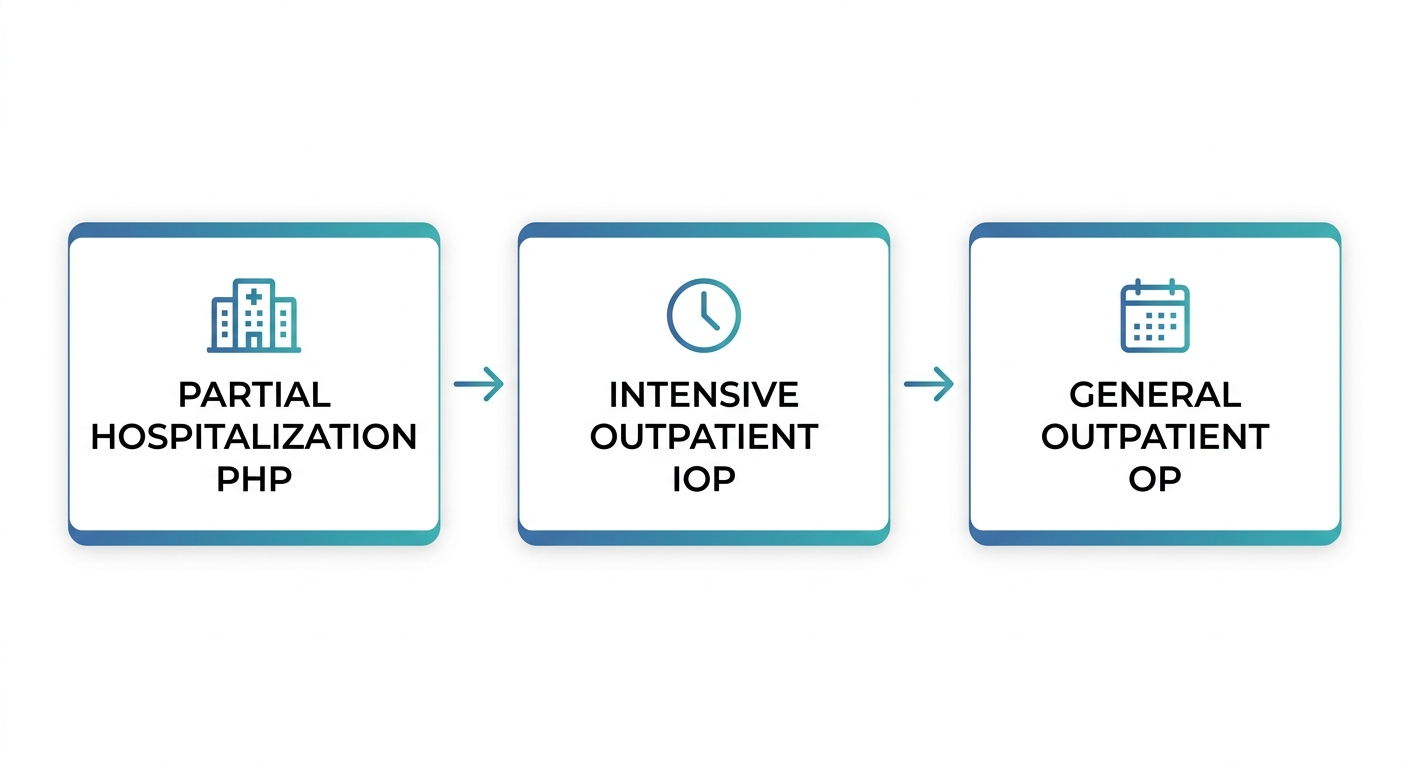
The path to recovery often involves moving through distinct phases of care, each designed for a different stage of the journey. A Partial Hospitalization Program (PHP) is a highly structured day program requiring attendance five to seven days per week, allowing participants to engage in intensive therapy while returning home at night. It frequently serves as a step-down from inpatient care or a step-up from a less intensive outpatient program. For those balancing work or family commitments, an intensive outpatient program Bucks County provides a flexible alternative, offering nine to fifteen hours of therapy per week over an eight to twelve-week period. General Outpatient (OP) programs typically involve one to three hours per week and are often used for ongoing support after completing a more intensive phase. Our team uses an evidence-based assessment to place individuals in the right level of care, ensuring an individualized treatment plan that evolves as progress is made.
Key Differences Between Inpatient and Outpatient Rehab
Understanding the structural contrasts between these settings is crucial for making the right choice. Inpatient rehab requires residing at a facility with around-the-clock medical supervision and a full-time schedule often exceeding thirty hours of structured therapy weekly. Outpatient levels, from PHP to OP, allow individuals to live at home and commute to scheduled sessions. For Bristol residents seeking flexibility, Rosewood Recovery offers comprehensive Outpatient Drug Treatment Bristol programs tailored to your schedule. All outpatient programs in Pennsylvania, including those in our area, are licensed by the state's Department of Drug and Alcohol Programs (DDAP). The following table provides a summary comparison of the key attributes to help clarify these differences.
Inpatient vs. Outpatient Rehab at a Glance
| Feature | Inpatient Rehab | Outpatient Rehab (PHP/IOP/OP) |
|---|---|---|
| Living Environment | On-site residence at facility for 24/7 support | You live at home and commute to scheduled sessions |
| Daily Time Commitment | Full-time, often 30+ hours of structured therapy weekly | Varies: PHP ~30h/wk, IOP ~9-15h/wk, OP ~1-3h/wk |
| Medical Supervision | Around-the-clock medical staff and detox support | Periodic medical check-ins; less intensive monitoring |
| Typical Program Duration | 28-90 days | PHP 4-8 wks, IOP 8-12 wks, OP ongoing |
| Best For | Severe addiction, unstable living environment, high relapse risk | Mild-moderate addiction, strong support at home, work/family obligations |
These are general guidelines. The most suitable level of care is determined through a clinical assessment. Our approach integrates these standards to create a treatment pathway that may shift as an individual's needs change and strengths are developed.
Infographic comparing inpatient and outpatient drug rehab programs.
The Role of Co-Occurring Disorder Treatment
Sustainable recovery often requires addressing more than just substance use. Co-occurring disorder treatment Pennsylvania services are designed for individuals facing both a substance use disorder and a mental health condition like anxiety, depression, or PTSD. The Substance Abuse and Mental Health Services Administration (SAMHSA) recommends integrated treatment because treating only one condition is associated with higher rates of relapse, while concurrent care leads to lower hospitalization rates and a better quality of life. Our clinical team specializes in providing personalized care for co-occurring conditions, weaving mental health support into every aspect of the recovery journey. This dual diagnosis approach is fundamental to our philosophy that true healing involves the whole person, not just the symptoms of addiction.
Benefits of Professional Drug Rehab for Bristol Residents
For Bristol residents seeking a path forward, professional rehab offers distinct advantages over attempting recovery alone. Our facility operates as one of the premier options for Drug Rehab Bristol Pa, offering a transformative experience where Recovery Begins Here for those ready to embrace change. By combining expert clinical care with an emphasis on dignity and discretion, we create a safe and supportive space for whole-person healing.
Personalized Care and Low Staff-to-Client Ratios
True personalized care is impossible without time. In many larger, institutional settings, staff are overwhelmed, and therapeutic relationships remain superficial. At Rosewood Recovery, we have intentionally built our model around a low staff-to-client ratio, a structure that allows our clinicians to know each individual intimately. This means treatment plans are genuinely individualized, not pulled from a generic template. When a client's needs shift during their stay, our team can adjust approaches in real-time because they are deeply familiar with the person's history and triggers.
This commitment to quality is why we maintain our status as an accredited addiction treatment center Pennsylvania. Accreditation reflects a rigorous adherence to safety and quality standards, but it is the low ratio that allows us to translate those standards into meaningful daily interactions. In a discrete, focused environment near Bristol, this translates to genuine therapeutic alliances and, often, faster access to the psychiatric care that can stall recovery. Results may vary based on individual circumstances.
Holistic and Evidence-Based Therapies Combined
The most effective addiction treatment does not just address the mind; it recalibrates the nervous system. We combine robust evidence-based therapies, such as Cognitive Behavioral Therapy (CBT) and Dialectical Behavior Therapy (DBT), with holistic, somatic practices that foster healing from the inside out. This integrated approach is particularly critical for those receiving co-occurring disorder treatment Pennsylvania, where depression, anxiety, or trauma are intertwined with substance use.
To help clients reconnect with their bodies and regulate stress, our program offers yoga, neurofeedback, and various meditation techniques, ranging from traditional meditation to sound baths and walking meditation. The presence of therapy dogs brings a non-judgmental, comforting energy to the clinical space. According to the Substance Abuse and Mental Health Services Administration (SAMHSA), integrated care is the best practice for treating co-occurring conditions. We follow this federal guideline by ensuring that holistic practices do not replace clinical rigor but enhance it, offering a more fulfilling path to recovery than substance use treatment near Bristol typically provides.
Community and Alumni Support for Lasting Recovery
Isolation fuels addiction, while authentic connection fuels recovery. Professional drug rehab builds a therapeutic community that individuals cannot find when struggling alone. Within our Pennsylvania drug rehab center, group therapy provides immediate peer feedback and shared vulnerability, breaking down the shame that often accompanies substance use disorders. This sense of strength in numbers becomes the bedrock upon which early sobriety is built.
The journey does not end at discharge. Our formal Alumni Support Group ensures that the bonds formed during primary addiction recovery programs serving Bucks County evolve into a network of accountability. Alumni events and continued connections provide a buffer against the isolation that returns when the structured day ends. This commitment to long-term community transforms a stay at a rehab center near Bristol from an isolated health intervention into a sustained support system. By participating in this extended community, clients leave with more than just coping skills--they leave with a team committed to their sustained well-being.
How Drug Rehab Works from Admission to Recovery
Understanding what happens during drug rehab can ease much of the anxiety that comes with starting treatment. For residents of the area, a Drug Rehab Bristol Pa program provides a clear, structured pathway that guides people from crisis toward stability. At Rosewood Recovery, our approach combines compassionate care with clinical expertise, ensuring that each individual receives personalized care from the moment they reach out.
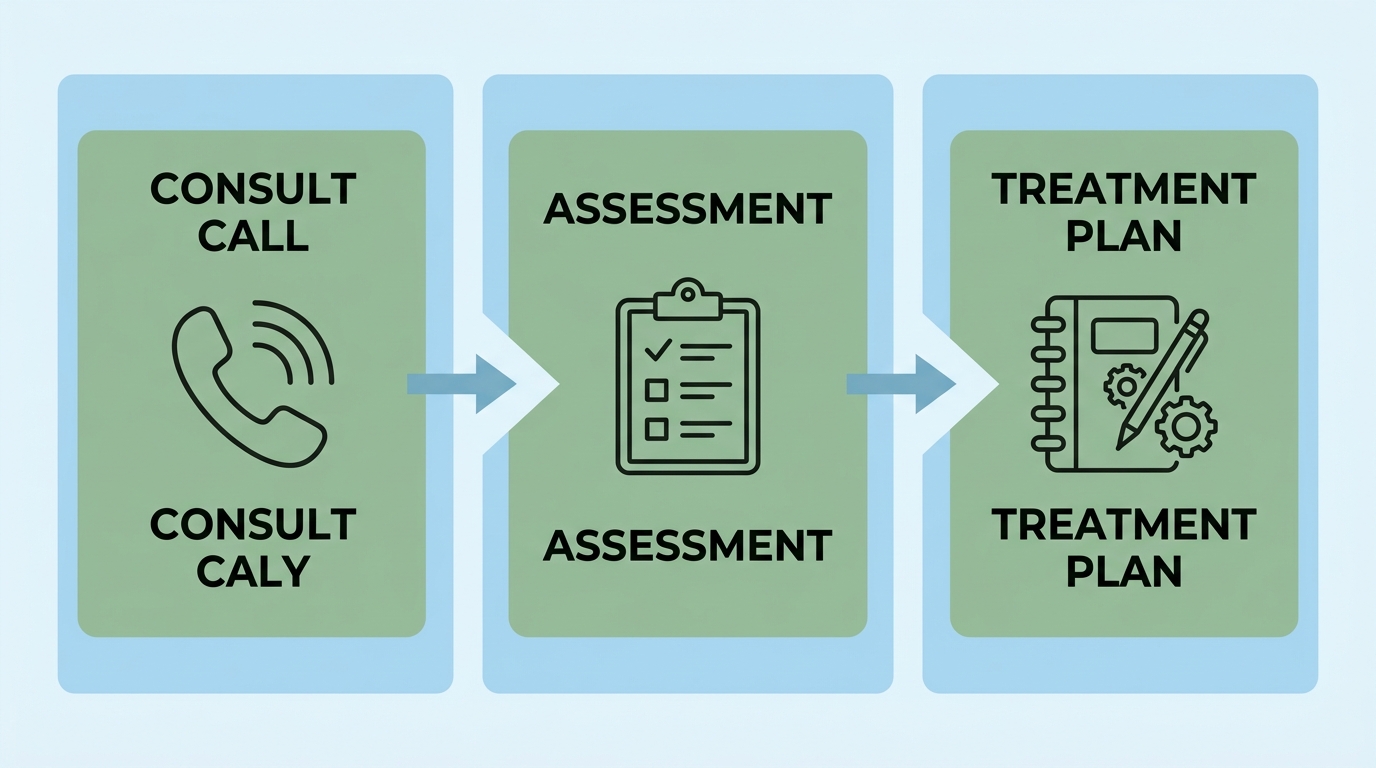
The step-by-step rehab admission and recovery process at Rosewood Recovery.
The Admissions Process: Verification and Intake
Taking the first step can feel overwhelming, but we have streamlined the admissions process addiction treatment Bucks County to be as straightforward as possible. It begins with an initial, confidential phone call where our team answers your immediate questions and gathers basic information. The next step is insurance verification, where we contact your provider on your behalf to determine coverage for programs like PHP or an intensive outpatient program Bucks County, clarifying any costs before you commit. The final stage is a comprehensive clinical assessment, conducted by a licensed clinician, which evaluates your substance use, mental health history, and personal needs. This assessment allows us to recommend the appropriate level of care--be it our Partial Hospitalization Program (PHP), Intensive Outpatient Program (IOP), or General Outpatient Program (OP)--ensuring a safe and supportive space is created for you from day one.
Typical Program Duration and Milestones
The length of a rehab program varies based on individual progress, not just a set calendar date. A PHP typically lasts 30 to 90 days, involving structured, full-day treatment several times a week. Our IOP generally runs for 8 to 12 weeks, offering a step-down in intensity while still providing robust support. OP can extend for 12 weeks or more, allowing individuals to practice recovery skills in daily life with regular therapeutic contact. Progress is not measured by time alone; we use the American Society of Addiction Medicine (ASAM) criteria, a nationally recognized set of guidelines that evaluates six dimensions of a person's life, including their physical health, emotional stability, and readiness for change. When a patient with co-occurring disorder treatment Pennsylvania needs demonstrates consistent stability and meets key milestones across these dimensions, our clinical team collaboratively determines discharge readiness, marking a successful transition into our Alumni Support Group and the next chapter of transforming lives.
Insurance Coverage and Financial Considerations
A common concern for many is whether their health plan will cover treatment. PPO insurance plans frequently offer benefits for substance use disorder treatment, but verifying the specifics of your policy is an essential first step. To begin with full transparency, we recommend that you contact addiction treatment center Pennsylvania and allow our admissions specialists to perform a no-cost, confidential benefits check. We accept most major insurance plans, and for those without coverage, self-pay options are available to ensure finances do not become a barrier to accessing quality care. It is important to remember that all financial options are determined on a case-by-case basis, as coverage and payment plans depend on your unique policy and circumstances. Our goal is to remove logistical obstacles so you can focus entirely on what matters most: your recovery. Licensed by Pennsylvania Department of Drug and Alcohol Programs. Accredited by The Joint Commission. Results may vary based on individual circumstances.
Choosing the Right Drug Rehab in the Bucks County Area
Finding the right treatment is a deeply personal and critical decision. For those seeking drug rehab in Bristol PA, the options can feel overwhelming, but knowing what to look for empowers you to make a safe and informed choice. At Rosewood Recovery, we understand that a program's structure and philosophy must align with your life to support lasting recovery.
Questions to Ask When Evaluating Rehab Providers
Before committing to a provider, a structured evaluation is essential. Here are the critical questions to ask:
- Accreditation and Licensing: Is the facility fully licensed by the Pennsylvania Department of Drug and Alcohol Programs (DDAP)? Additionally, does it hold independent accreditation from The Joint Commission, validating its commitment to the highest standards?
- Staff Credentials: Are the clinicians licensed and certified by relevant state boards? Inquire about the patient-to-staff ratio, as a low ratio, like the one we maintain, ensures you receive truly individualized attention.
- Therapy Options: What specific evidence-based therapies are offered, and do they include holistic approaches like yoga or neurofeedback to heal the whole person?
- Aftercare Planning: How does the program prepare you for life after treatment? A quality provider will build a robust discharge plan connecting you to community resources and an alumni support group long before your program ends.
Matching Treatment to Your Specific Needs
Once you have a list of qualified providers, the next step is matching their programs to your unique needs. The American Society of Addiction Medicine (ASAM) has established a national set of criteria as the professional standard for this purpose. This multidimensional assessment evaluates your specific needs across six dimensions to determine the appropriate level of care.
If your substance use is severe and accompanied by a mental health condition, you may require a higher level of support. Our intensive outpatient program Bucks County provides or a partial hospitalization program can offer the structured, personalized care necessary to manage these complex needs. For those needing co-occurring disorder treatment Pennsylvania, the ASAM framework ensures both conditions are treated simultaneously within a single, integrated program. Your daily schedule is another key factor: general outpatient programming may be ideal if you must maintain work or childcare responsibilities, allowing you to receive treatment while fulfilling essential life obligations.
Why Location Matters: Convenience and Community
Choosing a local rehab center close to Bristol offers practical advantages that can significantly support your recovery. Proximity removes geographical barriers, making it easier for your family to participate in the therapeutic process, which can strengthen your entire support system. It also minimizes disruption to your life, allowing for continuity with work or school.
A facility rooted in the community, like our center in Newtown, offers familiarity with regional resources and connection to local recovery groups. This makes the transition back to daily life smoother. When entering drug rehab in Bristol PA, engaging with a team that understands the local landscape can provide an irreplaceable sense of security and belonging.
Ultimately, understanding these local benefits helps you appreciate how a Bristol-centered program can support lasting recovery. By choosing a provider that embodies strong credentials, aligns treatment with your needs, and offers the convenience of a nearby location, you lay the strongest possible foundation. Recovery Begins Here.
Take the Next Step Toward Recovery
Recovery Begins Here, and that journey often starts with a single, hopeful step. If you have been searching for a drug rehab in Bristol, PA, that offers true personalized care, you have already taken the first stride toward a healthier life. Our compassionate team at Rosewood Recovery is committed to walking alongside you from the very beginning, transforming lives in a safe and supportive space.
For those seeking individualized treatment, our facility provides a full continuum of care in a discrete location with an exceptional low staff-to-patient ratio. Our approach begins with a Partial Hospitalization Program (PHP) for those needing structured daily support, transitioning seamlessly into our intensive outpatient program in Bucks County (IOP) as stability grows. We also offer a General Outpatient Program (OP) designed to provide lasting support while you rebuild your daily life. This strength in numbers ensures you are surrounded by a dedicated team that truly knows your story.
We understand that recovery is complex, which is why we specialize in co-occurring disorder treatment in Pennsylvania, addressing both addiction and underlying mental health conditions. Call Rosewood Recovery today for a free, confidential, no-obligation assessment to see how we can help. For immediate crisis support, you can also contact the SAMHSA National Helpline at 800-662-HELP.
Disclaimer: Results may vary based on individual circumstances. This is not a guarantee of success.
This article was researched and written with the assistance of AI tools.