

Table of Contents
What Are the Hardest Things to Quit? Understanding Addiction's Grip
Tough problems to kick are chemicals and behaviors that fundamentally alter the brain, making coping difficult psychologically and physiologically. Examples like opiates, liquor, nicotine or gambling come up first when talking about addictions as people cannot control their compulsions towards such things and will continue to do them no matter what kind of adverse effects follow on account of this action.
All three types of addiction have something in common: They all deliver dopamine, the chemical messenger connected to pleasure and drive, directly to the brain and then, as a result, reroute neural paths to make a particular drug or activity vital to functioning normally. The chemicals used to achieve the high of opiates and alcohol cause such intense physical withdrawal symptoms that people keep taking the drugs to avoid the discomfort. Nicotine manages to insinuate itself in almost everyone’s life to such an extent that, even several months later, those who manage to quit still crave their first cigarettes. Gamblers never ingest any actual physical material at all but, instead, set off the same dopamine response, and therefore take part in behavior that leads to poverty and family breakdown, as addictive as substance-induced addiction can be.
When we look at how deeply these forces reshape the brain's decision-making and impulse control, it becomes clear that breaking free is not simply a matter of willpower. Understanding the neurological changes behind addiction reveals why professional support is often necessary and why recovery begins here, with knowledge and compassion.
The Science Behind Why It's So Hard to Quit
Addiction has this crazy grip on you that feels like there’s no way out. To understand how hard it is to overcome, we should look at the two elements that work together: physical dependency and psychological addiction. why it's so hard to quit
Your body gets used to being around some substances in such a way that you can’t function without them. When you start to get adjusted, your body wants even more, if you stop taking these things, it starts acting out because it isn't getting what it needs. Side effects from withdrawal might include nausea, sweating, and shaky muscles. Your body doesn't know how to live without these substances, making quitting seem impossible.
Psychological dependence takes hold within the brain’s reward and memory systems, Your body may be without that drug, but you still have cravings because of emotional cues, established habits, and stress. While physical symptoms fade away when the drug is out of your system, your mind is still telling you what to do. You might think this means your mind isn’t listening to itself. But there are reasons why memories of relief, or even specific places, people, or emotions, trigger urges.
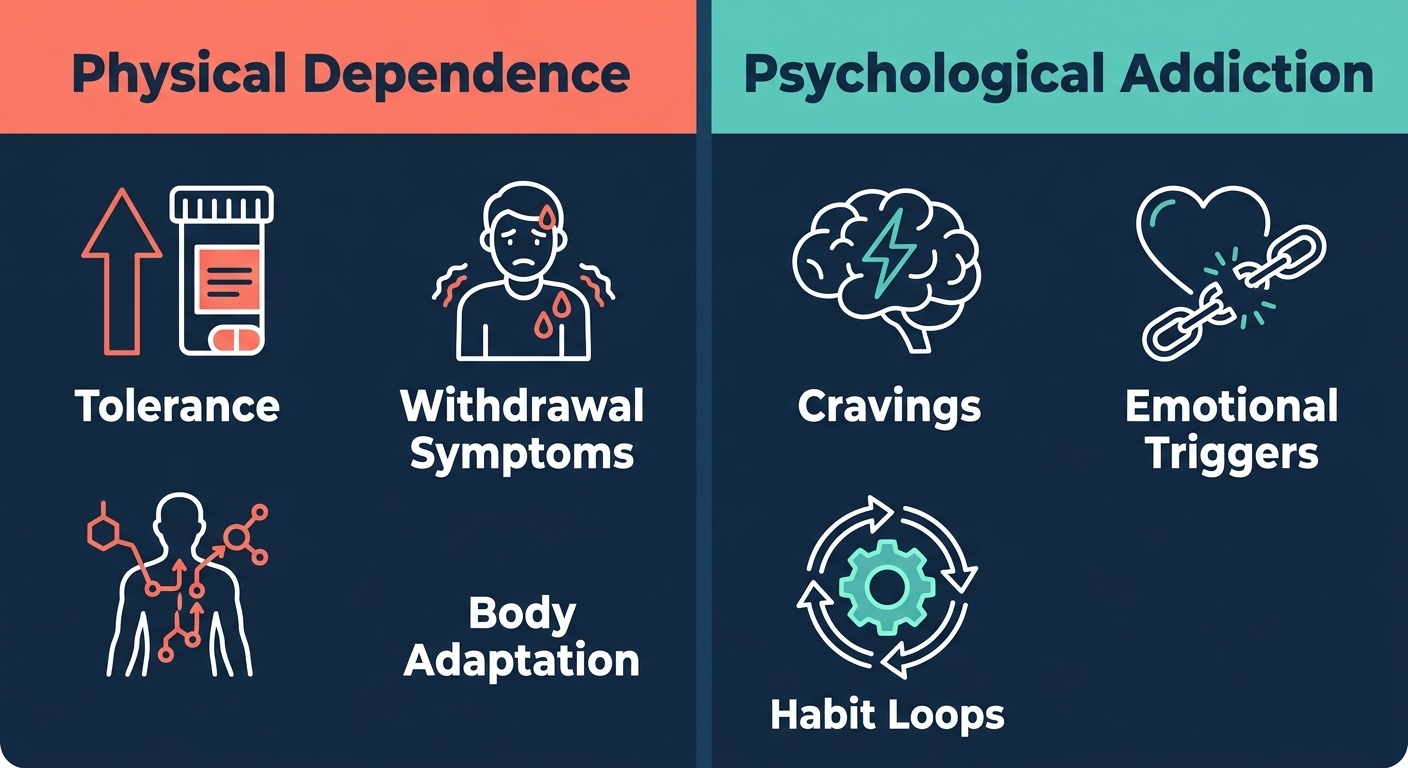
Although these factors usually do not occur in isolation, physical addiction breeds psychological compulsion and psychological misery amplifies physiological suffering. Since they are inextricably intertwined, treatment must be applied simultaneously on multiple levels. While medically assisted detoxification serves to physiologically stabilize the patient, therapy and various stress reduction techniques enable patients to psychologically overcome their dependency. That’s why our program provides both medication and counseling as part of its holistic approach. We treat the entire individual rather than just a single aspect of his problem.
At Rosewood Recovery, we offer medical stabilization paired with counseling at all care levels including PHP, IOP, and general outpatient services to address symptoms and strengthen ongoing coping skills. This coordinated approach supports ongoing recovery.
By addressing both the physical and mental sides of addiction, you can begin your journey towards happiness and freedom. This physical and psychological pull is only the beginning. Next, we’ll explore how addiction actually rewires the brain and intensifies withdrawal.
How Addiction Rewires the Brain and Intensifies Withdrawal
Bodies and minds adapt biologically in ways that make stopping difficult and can cause more pain than usual when people attempt to quit. Those very same neural changes that underlie addictive behaviour result in extreme difficulties and suffering when attempting to stop using.
The Hijacking of the Brain's Reward System
As each addictive substance is ingested, large amounts of dopamine flood into our nucleus accumbens, providing us with greater sensations of pleasure than any natural reward could ever have. In response, over time, our brain loses some of its capacity to produce this neurotransmitter on its own, and decreases in both the number as well as the sensitivity of our receptors. We must take increasing levels of these substances simply to feel 'normal'. This same process weakens another portion of our brain called the prefrontal cortex, which is the region responsible for making decisions, exercising impulse control, and long-term planning. This lack of inhibitory control leads to uncontrollable desires, or compulsive cravings. These triggers can be anything that reminds someone of times they consumed their drug of choice including people, place, or emotion related.
Substance-Specific Withdrawal Profiles
Every category of substance has unique withdrawal “signatures,” and all carry their own particular set of associated risks, some uncomfortable but others life-threatening. Alcohol and benzos, for example, can cause serious problems such as seizures and, in extreme cases, delirium tremens (DTs). Although opioid withdrawal is rarely fatal, it produces intense cravings, nausea, muscle aches, and severe autonomic symptoms that can feel unbearable. Nicotine withdrawals, on the other hand, usually leave people feeling irritable, anxious and cognitively foggy, and also drive them back to smoking if they don’t give up nicotine products altogether. Most recently, however, clinicians have encountered an even more alarming syndrome linked to fentanyl adulterated with medetomidine—a veterinary sedative that has been increasingly found in the illicit drug supply. According to a multicenter study published by the American Society of Addiction Medicine (ASAM), this combination produces a withdrawal syndrome that is distinct from typical opioid withdrawal, characterized by refractory autonomic instability, encephalopathy, myocardial injury, and seizures.
Here's how these differences compare in table form for a few frequently abused drugs:
| Substance | Common Withdrawal Symptoms | Typical Duration | Medical Detox Essential |
|---|---|---|---|
| Alcohol | Tremors, seizures, delirium tremens | 5–7 days | Yes |
| Benzodiazepines | Anxiety, seizures, protracted withdrawal | 2–8 weeks | Yes |
| Opioids (short-acting) | Nausea, cravings, sweating, muscle aches | 3–5 days | Recommended |
| Nicotine | Irritability, cravings, difficulty concentrating | 2–4 weeks | Not essential |
| Fentanyl (medetomidine-adulterated) | Autonomic instability, encephalopathy, myocardial injury, seizures | Varies (limited data) | Yes |
The table underscores why medical supervision is indispensable for people going through withdrawal from alcohol, benzodiazepines, and fentanyl, as complications can escalate rapidly. Whilst opioid and nicotine withdrawal are rarely life-threatening, their psychological distress and relapse risk remain severe enough to warrant structured support.
Tolerance, Kindling, and Escalating Risk
If a user takes any drug enough times, the brain begins to develop tolerance to that substance. The result is that users have to take larger and larger amounts to get the same “high.” This effect is called tolerance. Another phenomenon called kindling, however, is equally dangerous but less recognized. With kindling, each withdrawal makes the brain more sensitive for the next round of withdrawal. This means that in alcohol and benzodiazepine dependence, kindling can transform a previously mild withdrawal into a seizure-prone state after just a few cycles of abstinence and relapse. In opioid addiction, repeated withdrawal can amplify cravings and emotional dysregulation, even if the physical symptoms remain relatively stable. Tolerance develops when the brain adapts to a substance’s presence, requiring higher doses to achieve the same effect. The multicenter ASAM study on fentanyl-medetomidine withdrawal illustrates this principle dramatically: patients who had a history of multiple quit attempts often presented with more severe autonomic disruption and higher rates of ICU admission. Withdrawal from these substances can carry serious risks, which is why professional support is so important.
Why Professional Detox Support Is Essential for Safety
Trying to stop taking alcohol, benzodiazepines, or opioids without medical oversight could trigger life-threatening complications such as seizures and cardiac arrhythmias, and professional detox support provides the monitoring and intervention needed to manage these risks safely.
The Hidden Dangers of At-Home Detox
Stopping alcohol or benzodiazepines abruptly after long-term use can unsettle the central nervous system so severely that it triggers life-threatening seizures. Even with substances like opioids where fatality from withdrawal alone is rare, the body’s reaction—intense vomiting, diarrhea, and profuse sweating—can rapidly cause severe dehydration. This fluid loss, combined with electrolyte imbalances, places immense stress on the heart and can provoke dangerous cardiac arrhythmias.
Unsupervised alcohol withdrawal isn't merely a hypothetical threat. If delirium tremens sets in during this process, its fatal rate may rise to 5%. Seizures can lead to permanent brain damage, and cardiac events can be irreversible.
Key dangers of at-home detox:
- Seizures: Sudden, uncontrolled electrical disturbances in the brain that can cause loss of consciousness and injury.
- Severe dehydration: Fluid and electrolyte depletion that may lead to kidney failure, heart palpitations, and shock.
- Cardiac arrhythmias: Irregular heartbeat patterns that can progress to cardiac arrest.
How Medically Supervised Programs Reduce Risks
During medically supervised detoxification, we're in constant contact with you, watching your vitals and giving medication as needed for withdrawal discomforts. We'll intervene at the first sign of distress.
We could taper patients on a carefully controlled schedule of benzodiazepines under close supervision to prevent seizures and delirium tremens for alcohol withdrawal, and offer buprenorphine or methadone as medication-assisted treatment to stabilize the nervous system while minimizing agonizing symptoms during opioid detox. We address co-occurring medical issues such as hypertension or malnutrition throughout the process, as these often accompany addiction.
Somatic therapy helps your body feel more relaxed, and nutritional advice helps refill energy that may have been lost in the stress response process.
Aligning Care Levels to Your Recovery Needs
Detoxing doesn't need to continue indefinitely. However, the program will vary based on individual requirements. Our system continues through our programs, providing you with the form of care appropriate for your current condition.
Rosewood Recovery’s treatment programs span three distinct levels of care:
| Level of Care | Hours per Week | Clinical Support | Best For |
|---|---|---|---|
| Partial Hospitalization Program (PHP) | Daily structured sessions | Medical monitoring, psychiatric care, individual & group therapy, holistic therapies | Those needing intensive daily support without overnight residential stay |
| Intensive Outpatient Program (IOP) | Several hours per week | Group therapy, individual counseling, clinical oversight, holistic access | Individuals with a stable home who need consistent support while managing daily life |
| General Outpatient Program (OP) | Weekly sessions | Outpatient counseling, peer support, relapse prevention planning | Those stepping down from higher care or with mild substance use, requiring flexible support |
Our clinical team performs a thorough assessment to determine the most appropriate starting point for your recovery. As you progress, we adjust the level of care accordingly, so you’re never over- or under-supported.
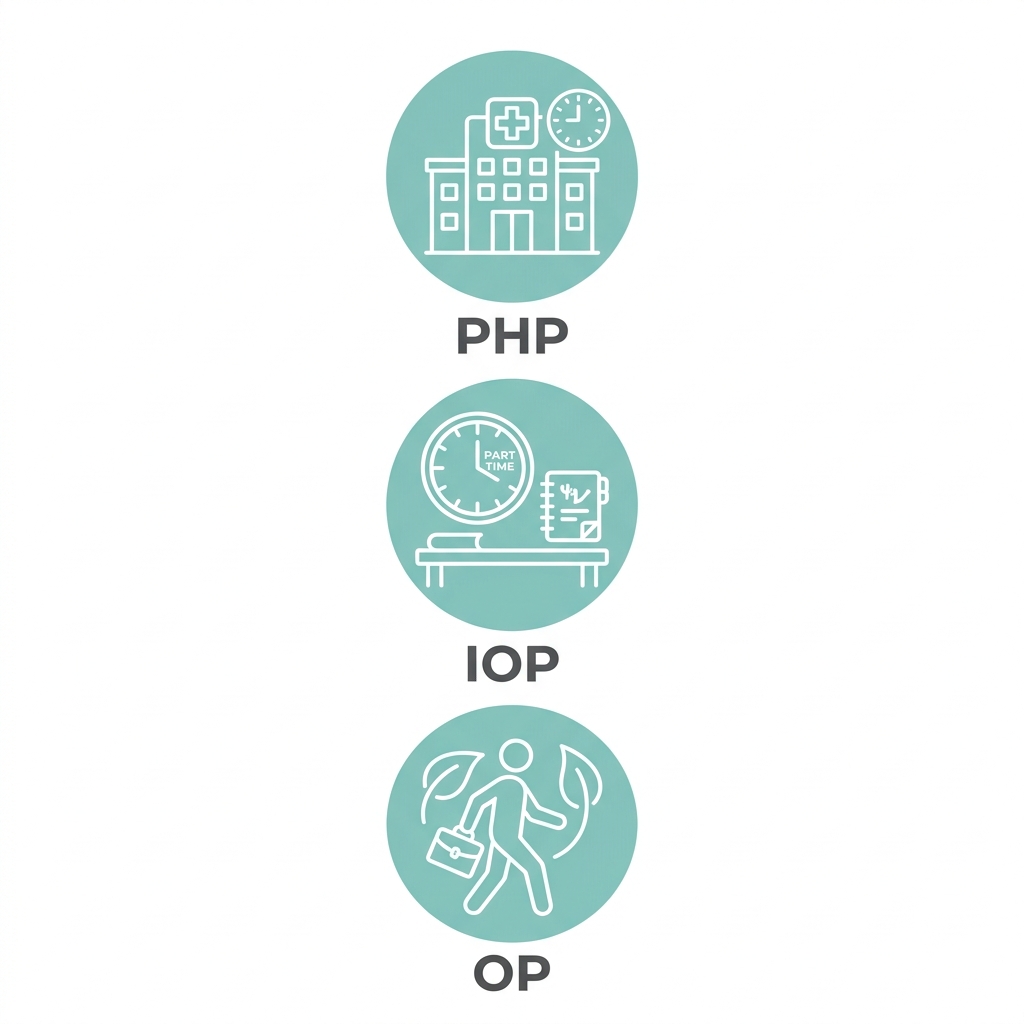
Three evidence-based levels of care icons from Rosewood Recovery
Contact our team in Newtown, Pennsylvania if you're looking to start your treatment at a safe and supportive location.
While medical safety must remain paramount, emotional and social aspects also shape the difficulty of recovery and deserve equal attention in any program designed to help patients achieve smoking cessation.
The Psychological and Social Dimensions of Addiction Difficulty
Many people struggle to rid themselves of an addiction often because of psychological and social factors rather than physical discomforts during their recovery. While medical detox can stabilize the body, the emotional and environmental factors that sustain addiction demand a different kind of attention. Addiction rarely exists in isolation; it is deeply embedded in mental health history and the social settings we navigate.
The following table identifies some significant psychological and social factors that could hinder a person from quitting successfully.
| Factor Category | Examples | Impact on Quitting | Intervention Strategies |
|---|---|---|---|
| Psychological | Underlying trauma, anxiety, depression, chronic stress | Intensifies cravings and triggers relapse, diminishes emotional resilience | Cognitive-behavioral therapy, EMDR, stress-management techniques, trauma-informed care |
| Social | Peer pressure, enabling home environment, social isolation | Reduces motivation, limits access to healthy support, reinforces addictive behaviors | Family therapy, support groups, sober-living arrangements, building sober networks |
When someone suffers from trauma, anxiety, or depression, these conditions amplify cravings by keeping the brain in a state of heightened distress. As emotions run low, any little issue could send him back down again. His social environment also has an impact on how well he recovers: a home where substance use is normalized or where enabling behaviors persist erodes his motivation. Being alone kills the sense of responsibility and support he needs for successful recovery. Social pressure makes people depressed and depressed people give up more easily because they have lower resistance when it comes to relapsing. That’s why a downward spiral starts.
Because they're linked up, they have to be treated in unison. A program that eases the mind without reshaping the social environment leaves a person vulnerable the moment they return to old routines; improving one's network without healing emotional wounds fails to resolve the root causes.
The key to understanding this is recognizing why certain substances or behaviors can feel overwhelmingly hard to quit. At Rosewood Recovery, we provide individualized, holistic care that integrates mental health support with social rebuilding—treating the whole person. In addition, how these forces come into play during the recovery process causes many questions as well.
Common Questions About Overcoming Addiction
Sometimes when people begin to consider getting back on their feet they will start questioning why weaning off that thing out of our lives felt so difficult. There are quite a few reasons behind the feeling but some more than others. This post answers the most frequently asked questions about why leaving is difficult.
Why do we struggle so much to fight addiction? Addiction takes away joy and motivation and changes how reward systems work in our brains. So now there’s such a powerful urge to continue this pattern.
How can someone begin their recovery journey? Acknowledging the need for help and reaching out to a caring professional or support group is often the first, most courageous step.
Why is professional support important? It can be due to several reasons such as treatment centers offering medical care, counseling, and holistic approaches that address both the physical and emotional roots of addiction.
This helps explain our ability to customize recovery plans using proven methods.
Your Path to Lasting Recovery with Rosewood Recovery
Recovery from addiction is a journey, and with the right support, lasting recovery is achievable. At Rosewood Recovery in Newtown, PA, we provide evidence-based programs including PHP, IOP, and OP as well as holistic, somatic therapy. Some addictions seem impossible to break, but there’s still hope — call (267) 651-4817 for a confidential consultation. Results will vary depending upon the individual circumstances of patients. This website does not constitute medical advice or treatment suggestions, please talk to your doctor before making any decisions about your health care. Your privacy is protected under HIPAA; visit our Privacy Policy.
Start Your Journey to Recovery
You now have a deep understanding of what makes quitting certain substances and behaviors so challenging. Addiction's grip involves both physical dependence and psychological addiction, often requiring comprehensive care. Our programs at Rosewood Recovery address the brain rewiring and withdrawal risks that make quitting so difficult. We provide a full continuum of outpatient care, from PHP to IOP and General OP, tailored to your individual needs. Our team in Newtown, Pennsylvania, combines medical support with holistic therapies to help you heal. A confidential consultation can help determine the right starting point for your recovery. Reach out to us at (267) 651-4817 for a confidential conversation. Your path to lasting recovery begins with that call.
Start Your Journey to Recovery