

Table of Contents
Why 30 Days Sober Is a Big Deal
Surely you've wondered if 30 days sober was such a big deal. The honest answer is yes. For most people, achieving this mark represents their first lengthy stretch of clarity and consistency that they haven't felt in years. It wasn't another day off of substances, but rather when their regular lives started making sense again, and hope replaced uncertainty. 30 days sober is a big deal
We’ve seen how the first month can shift perspective. Without the fog of substances, energy returns, sleep improves, and small victories—like staying present at work or reconnecting with loved ones—start to stack up. It’s the foundation for deeper healing, even if the journey feels fragile at times.
You have options when it comes to your preparation. It might take some time, but if you give yourself proper support as well as proper structure, then these 30 days will be a step towards what we all want: long-term improvement.
Preparing for Your First Month Sober
Getting past the 30-day mark should be seen as an occasion for celebration because you have successfully reached your next objective: prepare your body and mind for eventualities such as cravings and other tough situations.
Next up would be talking about the plan with a couple of your closest buddies, or other family members. This could help motivate them to join in on some encouragement as well. They can keep you accountable if things get hard along the way. It might also help you ease into things a little better by knowing there’s someone to bounce your feelings off of whenever they need to be shared. Map out some kind of schedule that can include healthy meals, a bit of physical exercise, and time for you to think about everything. Knowing how to stay sober for 30 days means preparing yourself properly before all else. The first step toward making sure you don’t slip back down begins in our own homes.
Clearing alcohol from your living space removes unnecessary triggers, making it easier to focus on your well-being and begin your journey towards happiness and freedom.
Step 1: Clear Alcohol from Your Environment
After having our heads right about being sober in the first month, the logical next step would be to strip away any distractions in our environment that remind us of drinking. Clearing alcohol out of your house eliminates everyday opportunities to get drunk and lets you concentrate more fully on getting sober instead.
Collect all bottles from everywhere else as well, including those kept on the cabinets and inside the cupboard. Figure out if you will just throw these bottles away or hand over the bottles to people who live elsewhere, and remove glasses and anything associated with drinking that might feel triggering.
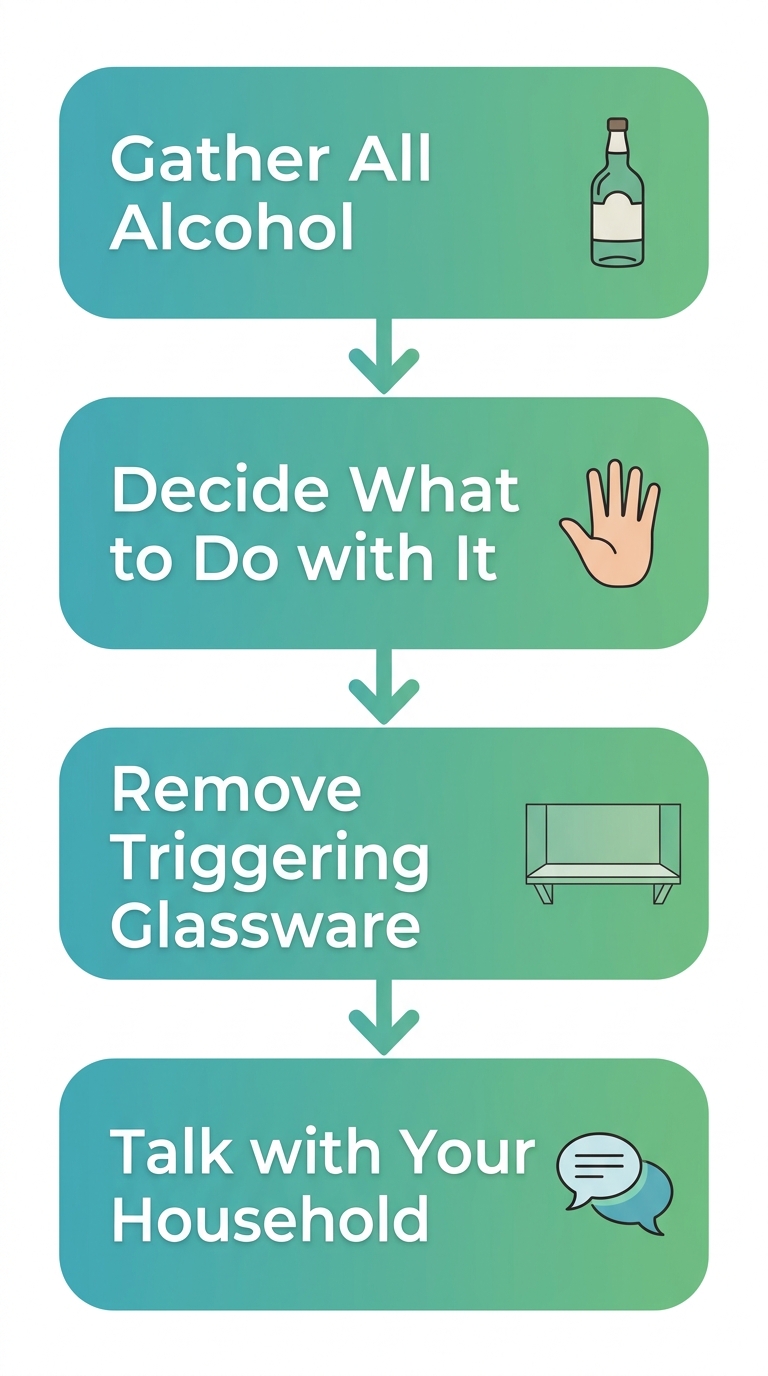
When we live with other people, a chat could make all the difference. Ask your roommates, partner or family members to keep alcohol out of common areas for the first month. Once that’s clear, we’re ready for round two and it will involve contacting others willing to walk alongside us as we begin our journey.
Step 2: Build Your Support Network
Sometimes there will be empty spaces left where the alcohol used to be. Filling these up with people that understand what it's like to go through recovery is key. Start with just one trusted friend or loved one that you can call when cravings get bad or feelings rise too much in intensity. Having this one person to turn to may mean the difference between feeling isolated versus being held accountable for making choices in early recovery.
You might also look at others' experiences as they've gone down this road. Whether in support groups, recovery meetings, or on the internet. The lived experience that these individuals have may offer you some empathy as well as suggestions that aren't necessarily found in books. And then there's professional help, such as having a treatment team around or working with a therapist, which can give you additional support, help, and tools to meet your goals, particularly when things become overwhelming.
Talk to one person who will be aware of what you're up to. Decide how you'll reach out to them when things get tough. After your group has been rounded up, then we'll move on to making sure they show up in your life each day as part of step two.
Step 3: Establish a New Daily Routine
In the first month of recovery, structure becomes your ally. Without it, idle hours can quietly erode progress, making relapse feel like the path of least resistance. Building a simple daily routine gives your mind and body predictable anchors to lean on when cravings or uncertainty creep in.
Start off slow with only one or two anchors in place if they suit you. For example, getting up at the same time each morning can help with your sleeping patterns, regular meals keep energy steady, and taking a brief walk or doing some stretching can bring your attention back into your body. Add one meaningful activity - be it a job, volunteering, something creative - into what would have been empty space revolving around substance use, and fill this time with more purpose than before.
That being said, this is not a set-in-stone structured schedule. It will be a nice guideline to work towards that you will adjust throughout the process. Every little step we take today builds up the stability to last us throughout life.
Step 4: Track Your Progress Day by Day
Every time we're sober for another day, it's something to celebrate. Writing that date down can be a huge morale booster when times get rough because you'll see how far you've come and won't forget about it.
Try one of these simple methods:
- Jot a single sentence in a journal about how the day went
- Hang a wall calendar and draw an X on every sober day
- Use a habit-tracking app to tap a checkmark each evening
- Send a quick text to a supportive friend sharing how you’re doing
To make this habit stick, try to keep everything really short. On Sunday evenings spend just two minutes thinking about how you've felt over the last few days, and whether there were any common denominators among your mood swings or your cravings. Just because you had a bad week doesn't mean it was a 'failure.' Instead, think that all these experiences are great examples for us both.
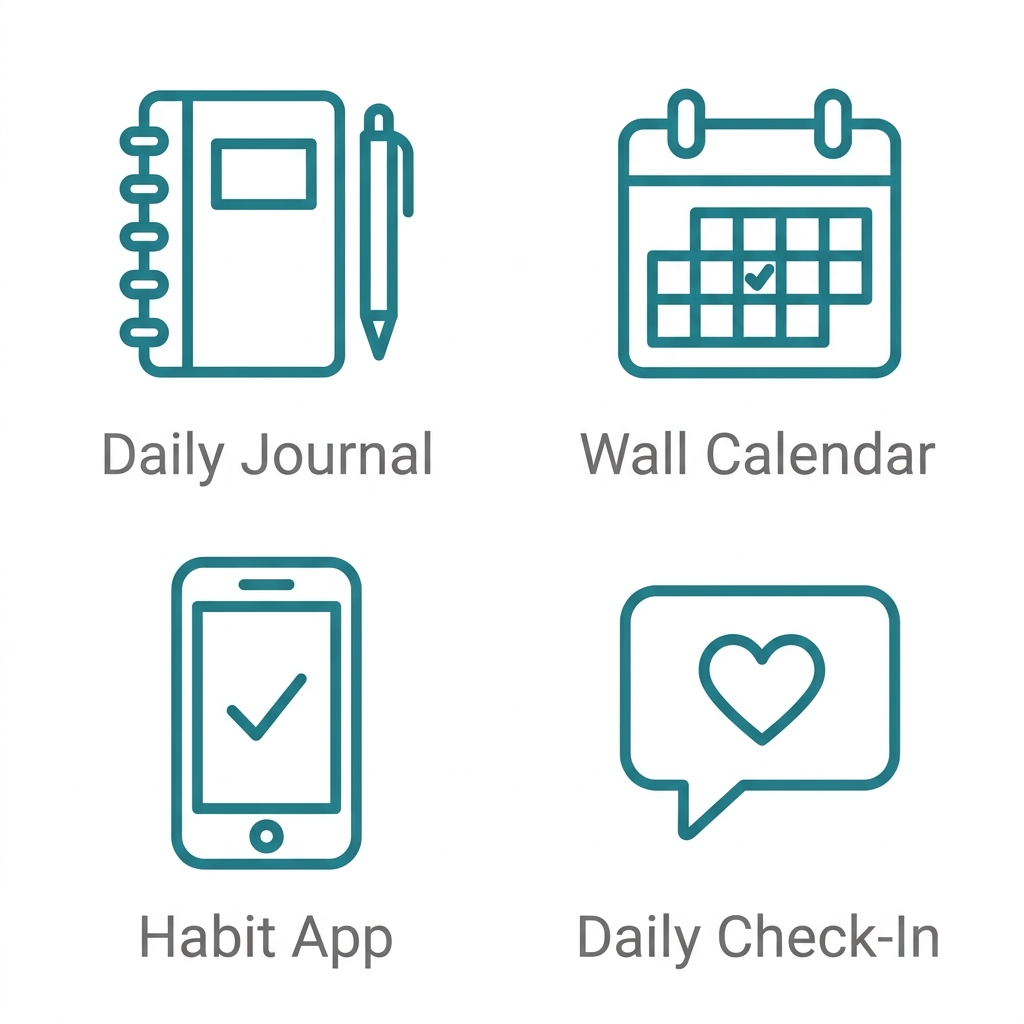
The days we track add up.
Step 5: Mark the 30-Day Milestone and Reflect on the Changes
After 30 days sober, congrats. You've moved past a substantial checkpoint worthy of celebration. It's more than another date; it demonstrates your ability to transform for the better and should be recognized as such. Give yourself a minute to reflect upon what it took to reach this point.
Next time you sit down for a few minutes with that daily tracker, jot down at least three things different than before. Perhaps your thoughts have been more clear, your sleeping has improved, or times you previously would've wanted ice cream are less tempting now. When we can see this written in front of us, we understand our progress. It will help pull us through those low spots and times when we don't feel motivated.
You aren't done once you reach this checkpoint, however. The hard work isn't over yet. It doesn't stop at one month, but the steps that led you here should make all future ones seem easier.
Step 6: Stay Motivated Beyond the First Month
Being 30 days sober is a milestone worth celebrating, and it's cool that you made it this far, but at the point where the first month has passed, there's more real work to be done. After the first month, motivation often shifts from novelty to routine, and that's when the hard part really starts.
We think it's always nice to have things beyond our calendar to track progress, like noticing you're sleeping better, your mind is clearer, or general improvements. These non-date markers help us know something good is happening even if the days blur together. As motivation wanes, go to people who have gone through this with you, because asking for help doesn't make you weak; it's a way of building a strong foundation.
Small wins add up, and so does the support around you.
Step 7: Commit to Ongoing Treatment and Support
When things move over this first period, there's room for celebration and relief, but it's also when we build the routines that keep recovery moving forward. Staying engaged with ongoing support isn't just a next step—it's how we make progress stick.
We may go on with outpatient programs, individual counseling or group/peer support if that’s what we need in order to remain connected to others who understand the journey. Many also find value in holistic or somatic practices, which help us process emotions and cravings in a grounded way. These forms of support give us a place to practice new skills, stay accountable, and remind ourselves we’re not alone.
If commitment becomes a standard part of life, then we'll be more likely to stick with it over time. We make time for meetings, talk with those who support us, and revise our plans when necessary. This is not just a choice at any given moment; rather it means showing up again and again so that staying clean feels less like a challenge and more like a way forward.
What to Do When Cravings and Emotions Persist
Most often, in the beginning as you start trying to take control, there will still be cravings and times when you get down. There's no shame if this happens to you - just know that this doesn't mean your treatment failed and you're back to step one. Remember, these are just parts of your journey.
When cravings or difficult feelings arise, pause and name what you're experiencing. Connect with people you trust: friends, loved ones, and support groups all help. Stick with your coping skills from treatment and maintain regular routines that bring comfort. Consistent action builds up our mental strength.
These feelings can be strong or hard to go away. It might help if we look at what kind of other help we could get. Outpatient programs are available near Newtown, Pennsylvania, such as partial hospitalization, intensive outpatient, and general outpatient. We will offer support depending on your needs so that you don't have to stop moving.
You’re not alone in this, and every step you take matters.
Begin Your Journey Towards Happiness and Freedom
Is 30 days sober huge? It is. And what if you're feeling crappy and having some emotional ups & downs? Maybe you're struggling with craving again too. That feels really tough...but remember: This stuff happens during recovery. Those feelings aren't a sign that your efforts have been useless, just that you haven't gotten past them yet. So don't give up on yourself, because each step in the right direction will make you stronger, despite your setbacks. is 30 days sober a big deal
When the road ahead is bumpy, we're here to help you keep going. Whether you're feeling good about yourself for getting this far or just trying to get over the bad days, outpatient therapy services can help you keep moving forward. Remember, you don't have to do this all alone.
This information is for educational purposes and not a substitute for professional medical advice. Individual results are not guaranteed and depend on many factors including commitment to treatment.
Contact us if interested in learning more about what our program may have to offer for your next chapter, because having the conversation is where we start getting you to last wellness.
Continue Your Recovery Journey Today
You now have a clear roadmap for your first month sober, from clearing your environment to building a support network and tracking your progress day by day. Remember that marking the 30-day milestone is a checkpoint, not a finish line, and motivation beyond that first month often needs continued support to sustain. Whether you're just starting out or working through persistent cravings after the first month, professional support can provide accountability and a place to process what you're experiencing. Rosewood Recovery in Newtown, Pennsylvania offers outpatient programs designed to meet you at your stage of recovery. Reaching out for a consultation is a low-pressure way to explore your options and ask questions. You can call (267) 651-4817 or visit us at 140 Terry Dr Suite 118 in Newtown, PA to learn more. Your journey towards happiness and freedom can continue with the right support behind you.