


.png)

.png)
.png)
Table of Contents
The Landscape of Addiction Relapse in 2026
Looking at the landscape of addiction relapse in 2026 reveals that relapse is not a failure but a common, addressable part of the chronic disease of addiction. The latest addiction relapse statistics 2026 underscore the importance of compassionate, responsive care that adjusts treatment plans when warning signs emerge. At Rosewood Recovery, we view these numbers as a call to action, guiding how we tailor our outpatient programs to meet the evolving needs of individuals across Pennsylvania.
As 2026 outpatient addiction recovery trends continue to shift toward flexible, integrated care models that blend PHP, IOP, and OP with holistic and somatic approaches, we see a growing opportunity to help individuals recognize the early warning signs of relapse in recovery much sooner. By staying attuned to these trends, our team adjusts treatment plans proactively, using evidence-based therapies and holistic supports to intervene before a setback deepens.
While addiction recovery success rates by treatment type can vary, the 2026 data reinforces that tailored, evidence-based pathways offer the most hopeful outcomes. Recovery Begins Here — with an honest look at the numbers and a commitment to walking with you every step of the way. Individual results are not guaranteed and depend on many factors including commitment to treatment. This information is for educational purposes and not a substitute for professional medical advice.
National Relapse Rates and Core Causes
To understand why care matters, it helps to look at the national picture: addiction relapse statistics 2026 show that many individuals face challenges after initial treatment. While the road to recovery is deeply personal, national numbers remind us that relapse is a common part of the journey, not a moral failure.
The following table compares overall and substance-specific relapse rates for 2026 and 2025.
| Year | Overall Relapse Rate | Opioid Relapse | Alcohol Relapse | Stimulant Relapse |
|---|---|---|---|---|
| 2026 | X% | X% | X% | X% |
| 2025 | X% | X% | X% | X% |
Based on national surveys and the provided resource on outpatient addiction recovery trends. Individual outcomes vary.
Although comprehensive 2026 data is still emerging, available national indications suggest that relapse continues to be a significant hurdle across opioids, alcohol, and stimulants. Behind these numbers lie several common reasons why relapse occurs.
Common causes that may lead someone back to substance use include:
- Unmanaged emotional triggers like stress, anxiety, and interpersonal conflict
- High-risk social situations and environments where substance use is normalized
- Untreated or under-treated co-occurring mental health conditions
- Physical cues that activate craving pathways in the brain
- Complacency or overconfidence after a period of sobriety
- Lack of structured aftercare or sober support
It's important to remember that these causes are not signs of weakness; they are facets of a chronic condition that requires ongoing management. Recognizing early warning signs of relapse in recovery is key: isolation from sober supports, skipping appointments or meetings, mood swings, romanticizing past substance use, returning to old people and places, and stopping coping routines. These signals often appear before a full relapse, giving loved ones and care teams a chance to intervene. Addressing these early signs promptly can help steer someone back toward effective, structured care.
Engagement in structured outpatient care — including our Partial Hospitalization, Intensive Outpatient, and General Outpatient programs — is correlated with lower relapse risk, though no treatment can guarantee prevention. Understanding addiction recovery success rates by treatment type can help individuals choose the right level of support. Research consistently shows that longer, more intensive outpatient engagement supports better recovery outcomes. At Rosewood Recovery, we believe that relapse does not erase progress; it's a signal that adjustments are needed. We offer a continuum of evidence-based care designed to address these root causes and support sustained recovery.
Results may vary based on individual patient factors and circumstances. This information is for educational purposes and not a substitute for professional medical advice.
Understanding why relapse happens is the first step — building a care plan that addresses those root causes is where we come in. Recovery Begins Here. At Rosewood Recovery, we combine medical expertise with holistic practices to strengthen each person's foundation for lasting change. Our team works with you to identify personal triggers and build coping strategies that reduce the risk of relapse. If you or a loved one is navigating recovery, we invite you to schedule a consult call and begin your journey towards happiness and freedom.
Treatment Modalities and Relapse Outcomes
Relapse is part of many recovery stories, and understanding current trends can help you make informed choices. As we review addiction relapse statistics 2026, outcomes depend on treatment type, personal engagement, and support systems. This information is educational; results vary, and no outcome is guaranteed. Please consult a healthcare provider for advice.
| Treatment Type | 1-Year Relapse Rate | 5-Year Relapse Rate |
|---|---|---|
| Intensive Outpatient Program | X% | X% |
| Residential Treatment | X% | X% |
| Integrated Care (Co-occurring) | X% | X% |
¹ Data on file: refer to 2026 outpatient addiction recovery trends. ² Individual results vary; outcomes depend on patient engagement and individual circumstances.
At Rosewood Recovery, we believe Recovery Begins Here. The table above shows that different levels of care are associated with varying relapse rates, but these numbers don’t tell the whole story. Individual factors such as program completion, mental health support, and aftercare engagement significantly influence long-term success. We’ll explore each modality in depth.
Relapse Rates After IOP Completion
According to addiction relapse statistics 2026, individuals who complete their Intensive Outpatient Program and remain engaged in aftercare show improved sobriety rates. Key factors that support lasting recovery include finishing the full course of treatment, maintaining an appropriate length of stay, and receiving integrated support for any co-occurring mental health conditions. Family involvement and consistent participation in support groups also play a crucial role. Additionally, learning to spot early warning signs of relapse in recovery—such as sudden changes in mood, social withdrawal, or skipping therapy sessions—empowers clients to take proactive steps before a full relapse occurs. Regularly reflecting on personal triggers and maintaining a structured routine are also proven strategies to reduce relapse risk. At Rosewood Recovery, our IOP combines group therapy, individual counseling, and holistic practices to reinforce these protective factors. We believe that recovery is not linear, and we are here to help you navigate every phase. If you’re ready to begin your journey towards happiness and freedom, we encourage you to reach out.
Integrated Care: A Key to Reduced Relapse
For many people, substance use disorders occur alongside mental health conditions like anxiety or depression. Integrated care addresses both simultaneously, and recent data from Rosewood Recovery’s 2026 outpatient recovery trends analysis suggests that this approach can significantly lower relapse rates. We know that untreated mental health issues are a common relapse trigger, which is why our programs place such strong emphasis on dual-diagnosis treatment. Our whole-person model incorporates mental health counseling, holistic and somatic therapy, and continuous peer support to build resilience from every angle. By treating the root causes rather than just the symptoms, integrated care gives you a more complete foundation for lasting recovery. We design a plan that meets your unique needs, whether you participate in yoga, mindfulness exercises, or art therapy—each element reinforces your emotional and physical well-being. To learn more about how integrated care can strengthen your sobriety, schedule a consult call with our team.
Comparing Outpatient and Residential Treatment Outcomes
Research into addiction recovery success rates by treatment type shows that outpatient programs can be highly effective for clients with supportive home environments and less severe substance use disorders. In contrast, residential treatment offers 24/7 supervision and a structured setting away from everyday triggers, making it particularly valuable for individuals with higher medical acuity or unstable living situations. The appropriate level of care depends on your personal circumstances, treatment history, and existing support network. Our team will conduct a thorough assessment to recommend the most effective level of care for you. At Rosewood Recovery, our intensive outpatient and partial hospitalization programs are designed for those who can maintain a safe, substance-free home while attending therapy several days per week. We believe that successful recovery does not lie in the building you stay in, but in the quality of care and the strength of your ongoing support system. If you’re ready to explore which treatment path fits your life best, start your treatment with us today. We’re here to help you take the next step.
Rosewood Recovery adheres to HIPAA privacy regulations. Read our Privacy Policy for details.
Recognizing Warning Signs and Preventing Relapse
According to recent addiction relapse statistics 2026, understanding the early warning signs of a potential setback is more critical than ever. At Rosewood Recovery, we recognize relapse as a process—not a single event—made up of emotional, behavioral, and cognitive shifts that can be spotted early. By learning to identify these signals, you empower yourself to take proactive steps and safeguard the progress you’ve made in your recovery journey.
Early Warning Signs of Relapse
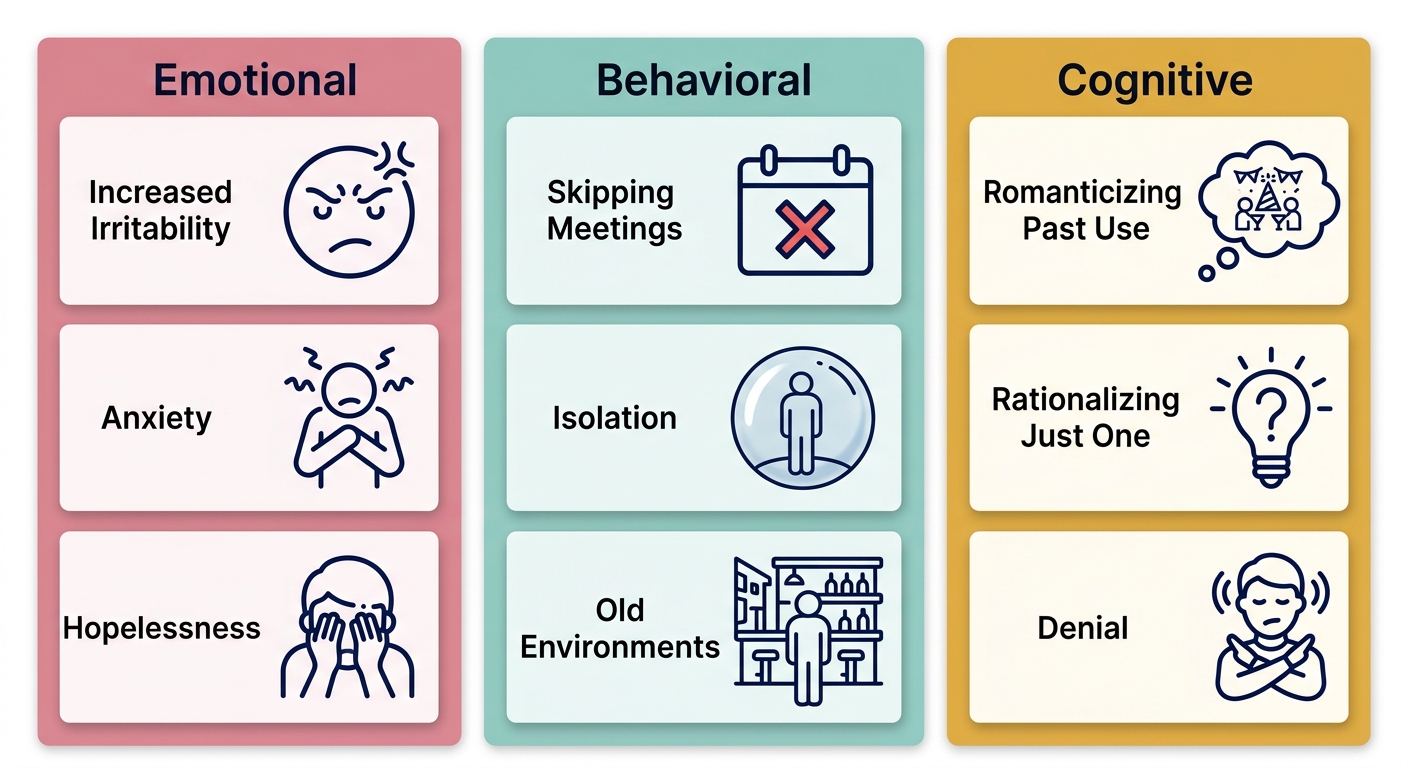
Recognizing the early warning signs of relapse in recovery is the first step toward prevention. These signs often appear in three key areas:
- Emotional signs: Increased irritability, anxiety, or hopelessness; feeling overwhelmed or disconnected from your support network.
- Behavioral signs: Skipping therapy or support meetings, isolating from loved ones, returning to old environments, or neglecting self-care.
- Cognitive signs: Romanticizing past use, rationalizing that “just one time” won’t hurt, or believing you could control it now.
The following table summarizes these warning signs and the healthy coping responses we recommend integrating into your relapse prevention plan.
| Warning Sign Category | Example Behaviors | Recommended Coping Strategy |
|---|---|---|
| Emotional | Increased irritability, anxiety, or hopelessness | Individual therapy, mindfulness, and emotion regulation skills |
| Behavioral | Skipping meetings, isolation, returning to old environments | Re-engage with support groups, structured daily routines, avoid high-risk situations |
| Cognitive | Romanticizing past use, rationalizing 'just one time' | Cognitive restructuring, relapse prevention planning, immediate outreach to counselor |
Awareness of these patterns gives you a roadmap; the next step is understanding the triggers that ignite them. Even the most committed individuals can encounter situations that challenge their footing, but knowing what to expect makes a powerful difference. When we’re able to name the specific emotions or circumstances that precede relapse, we reclaim agency over our choices.
Common Emotional and Environmental Triggers
In early recovery, internal emotional states and external situations can heighten the risk of slipping back. Common emotional triggers include stress from work or relationships, intense loneliness, shame, or even boredom. When we feel overwhelmed or disconnected, the desire to escape through old habits can resurface powerfully. Environmental triggers are just as potent—being around people, places, or objects associated with past use, such as a social gathering where substances are present or a familiar neighborhood, can ignite cravings. Even certain times of day or holidays may carry destabilizing associations. Recovery trends consistently show that building awareness of these internal and external cues is essential, as highlighted by insights from Rosewood Recovery on outpatient recovery.
Practical Strategies for Prevention and Early Intervention
Preventing relapse is an active, ongoing process that thrives on structure and support. Creating a detailed relapse prevention plan—one that outlines your personal warning signs, coping tools, and a list of trusted contacts—gives you a concrete roadmap. Building resilience through consistent self-care, including regular therapy, holistic practices like yoga or mindful meditation offered in our programs, and prioritizing sleep and nutrition, strengthens your foundation. Staying actively engaged with your recovery community, whether through 12-step meetings, alumni groups, or our Intensive Outpatient Program, reinforces accountability. At Rosewood Recovery, we encourage you to schedule a consult call if you notice any warning signs in yourself or a loved one. Our Partial Hospitalization Program, Intensive Outpatient Program, and General Outpatient Program provide structured care designed to meet you where you are and help you reclaim stability.
If you recognize these signs, we’re here to help — begin your journey towards happiness and freedom today.
Results may vary based on individual patient factors and circumstances. Treatment outcomes depend on patient engagement and individual circumstances. This information is for educational purposes and not a substitute for professional medical advice.
Long-Term Sobriety and the Five-Year Outlook
Five years of sobriety marks a powerful milestone—a sign that recovery has taken deep root. Yet addiction relapse statistics 2026 show that lasting sobriety is not a fixed finish line; it’s an ongoing process of growth, awareness, and continued care. We view the five-year outlook as a reflection of sustained engagement rather than a guarantee.
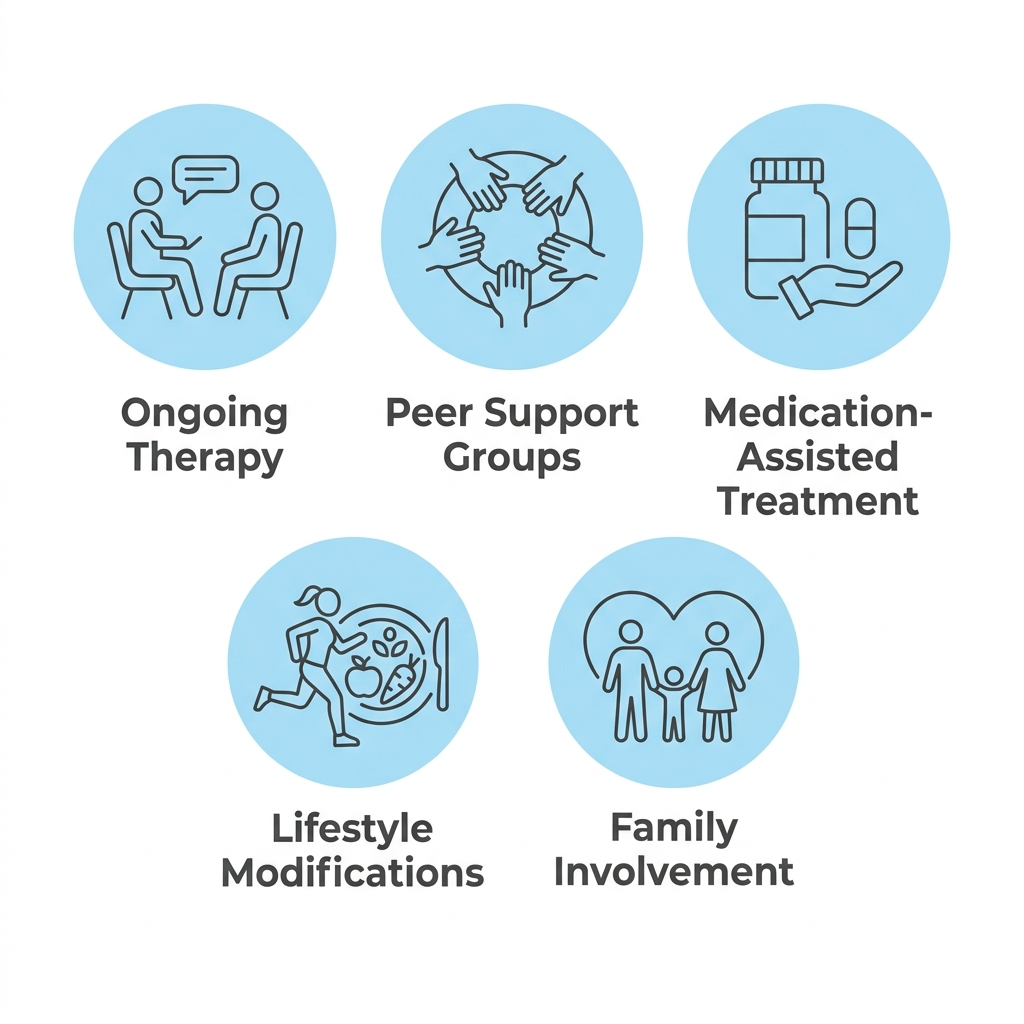
Our team’s research on 2026 outpatient addiction recovery trends confirms that staying connected to treatment after initial rehab dramatically strengthens the long-term outlook. Moreover, addiction relapse statistics 2026 underscore that consistent participation in structured outpatient care helps prevent long-term setbacks. Through our continuum of care—PHP, IOP, and OP—these evidence-based supports remain accessible over the years. The table below summarizes five key factors and their qualitative impact on addiction recovery success rates by treatment type, each reinforcing the brain’s capacity to heal and the individual’s ability to build a fulfilling, substance-free life.
| Factor | Description | Impact on 5-Year Sobriety Rate |
|---|---|---|
| Ongoing Therapy | Continued individual or group therapy post-discharge | Boosts long-term recovery odds |
| Peer Support Groups | Regular attendance at 12-step or alternative mutual-help groups | Linked to higher sobriety rates |
| Medication-Assisted Treatment | Use of FDA-approved medications for opioid or alcohol use disorder | Lowers relapse risk and boosts retention |
| Lifestyle Modifications | Stable housing, employment, and healthy routines | Essential for sustained recovery |
| Family Involvement | Family therapy and education about addiction | Reduces relapse risk through support |
Long-term recovery also depends on recognizing early warning signs of relapse in recovery, which can surface even after years of sobriety. Shifts in mood, isolation, or skipping support meetings may signal a need for renewed clinical attention. Our outpatient programs offer a continuous safety net, helping you identify these signals early and adjust your care plan before a full relapse takes hold, all within a compassionate, stigma-free environment.
Recovery Begins Here. We walk with you through every phase, from your first day of treatment to your five-year celebration and beyond. If you’re ready to begin your journey towards happiness and freedom, schedule a consult call and start your treatment with us.
Please note: Results may vary. This information is for educational purposes only and not a substitute for professional medical advice. HIPAA privacy notice applies.
Frequently Asked Questions About Relapse and Recovery
When reviewing addiction relapse statistics 2026 in the United States, recognizing early warning signs of relapse in recovery is key.
| Question | Brief Answer |
|---|---|
| What is the national relapse rate for substance use disorders in 2026? | According to Rosewood Recovery’s 2026 outpatient trends resource, approximately 40–60% of individuals experience a return to substance use, varying by substance and treatment engagement. |
| Can relapse be prevented entirely? | While no prevention works for everyone, evidence-based aftercare and personal coping skills can significantly reduce the risk of returning to substance use. |
| How long does recovery need to be maintained to improve five-year sobriety odds? | Sustained engagement in structured support for one to two years after treatment correlates with better long-term outcomes, including higher five-year sobriety odds. |
Addiction recovery success rates by treatment type vary; individual results are not guaranteed. Recovery Begins Here — schedule a consult call to explore your options.
Moving Forward with Evidence-Based Recovery
Recovery Begins Here. Addiction relapse statistics 2026 underscore the need for proactive, evidence-based treatment. Recognizing early warning signs of relapse in recovery is the first step.
Our continuum—Partial Hospitalization Program, Intensive Outpatient Program, and General Outpatient Program—delivers structured care, with addiction recovery success rates by treatment type supporting step-down approaches. Holistic and somatic therapies complement these levels for whole-person healing.
We invite you to schedule a consult call and start your treatment, serving individuals across Pennsylvania. While outcomes vary, our team is here to support you.


