

Table of Contents
How to Be Happy Without Drugs
Learning how to be happy without drugs requires rewiring our brain circuits to find things around us pleasurable rather than using drugs. That kind of happiness is not only achievable but tends to be more stable and fulfilling than any temporary high. At Rosewood Recovery in Newtown, PA, we help people reconnect with the ability to be happy naturally using compassionate, evidence-based therapy. By combining therapy, mindfulness, and community support, this program helps build a life filled with purpose and connection. We use evidence-based therapies, compassionate counseling, mindfulness, and a supportive community network. Here, you can see ways to learn to live drug-free. In the pages that follow, you’ll explore practical, non-substance paths to happiness—from strengthening your mental wellness to building healthy relationships—each grounded in real-world recovery experience. Let’s begin by setting the stage for a truly drug-free, joyful life.
Setting the Stage for a Drug-Free, Joyful Life
Recognizing that genuine happiness can exist beyond substance use is not an ending, it is an invitation. When you begin to see that a fulfilling life without drugs is possible, the heart opens to something new and the mind starts to prepare for lasting change.
True transformation does not come from sheer willpower alone. It begins with a quiet, hopeful decision that you deserve more than the cycle you have known. Learning how to be happy without drugs or alcohol is less about forcing yourself to stop and more about gently reconnecting with the parts of life that once brought you peace, laughter, and meaning. That shift in perspective, from deprivation to rediscovery, creates the emotional foundation everything else will rest upon. As you begin your journey towards happiness and freedom, remember that the heaviest doors often swing on the smallest hinges: a single moment of self-compassion, a willingness to believe that change is possible.
If you want to know how to be happy without taking any prescription drugs, that is actually another way of asking what the brain needs in order to experience its own happiness. The answer here will not be fluffiness but rather an understanding of how our minds can heal and learn what happiness feels like again. Here is what is happening inside the brain.
Step 1: Understand How Substances Affect Your Brain’s Joy
Imagine your brain’s “pleasure switch” being turned up during the good stuff in life, a great meal, giggling together, something you’ve worked hard on, etc. When drugs are taken though they turn that switch all the way to the right, so high, in fact, that they can produce much more dopamine in the brain than anything in nature could do on its own. So the more often we flood the brain like that, the less it tries.
To combat the problem, our brains actually begin to produce less dopamine and pull in receptor sites, so the same amount of drug will no longer help us. As we build up tolerance, then, nothing feels good anymore except the drug. The flat, joyless feeling of anhedonia is neither a moral failing nor a character flaw, it is simply a physiological change. Once we see how chemical imbalance is driving disconnection, we might start thinking about ways to teach our brains differently. It may be painful at times to rebuild our brains’ sense of pleasure and enjoyment, but that’s certainly better than accepting the sentence our brains have already written for themselves.
Step 2: Reset Your Dopamine System Naturally
Substance use can overstimulate the brain’s reward system, making it hard to feel joy from everyday moments.
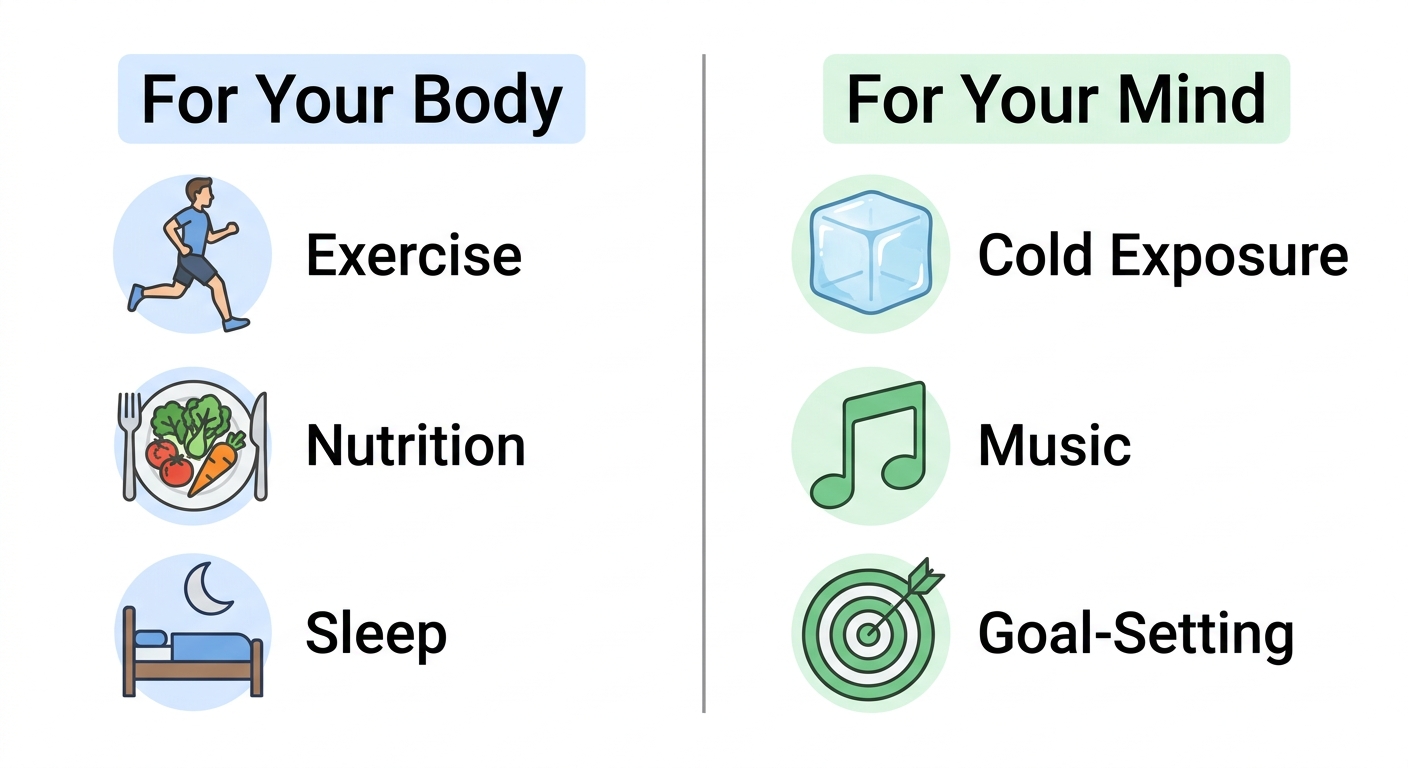
It can take time, and you need to be kinder to yourself while working toward that goal. Start off slowly with these habits:
- Nourish your body with a balanced, whole-food diet to support brain chemistry
- Move regularly—even a daily walk can boost natural dopamine and endorphins
- Protect your sleep, as deep rest helps the brain repair and regulate mood chemicals
- Practice mindfulness to stay present and recognize positive, substance-free moments
- Create simple, rewarding routines: finishing a small task or calling a friend reminds your brain that connection and accomplishment feel good
This might be hard work to reset your internal reward system, and lasting growth deepens when the people around you understand your path. We will continue by focusing on how to build a good support network.
Step 3: Build a Support Network for Lasting Happiness
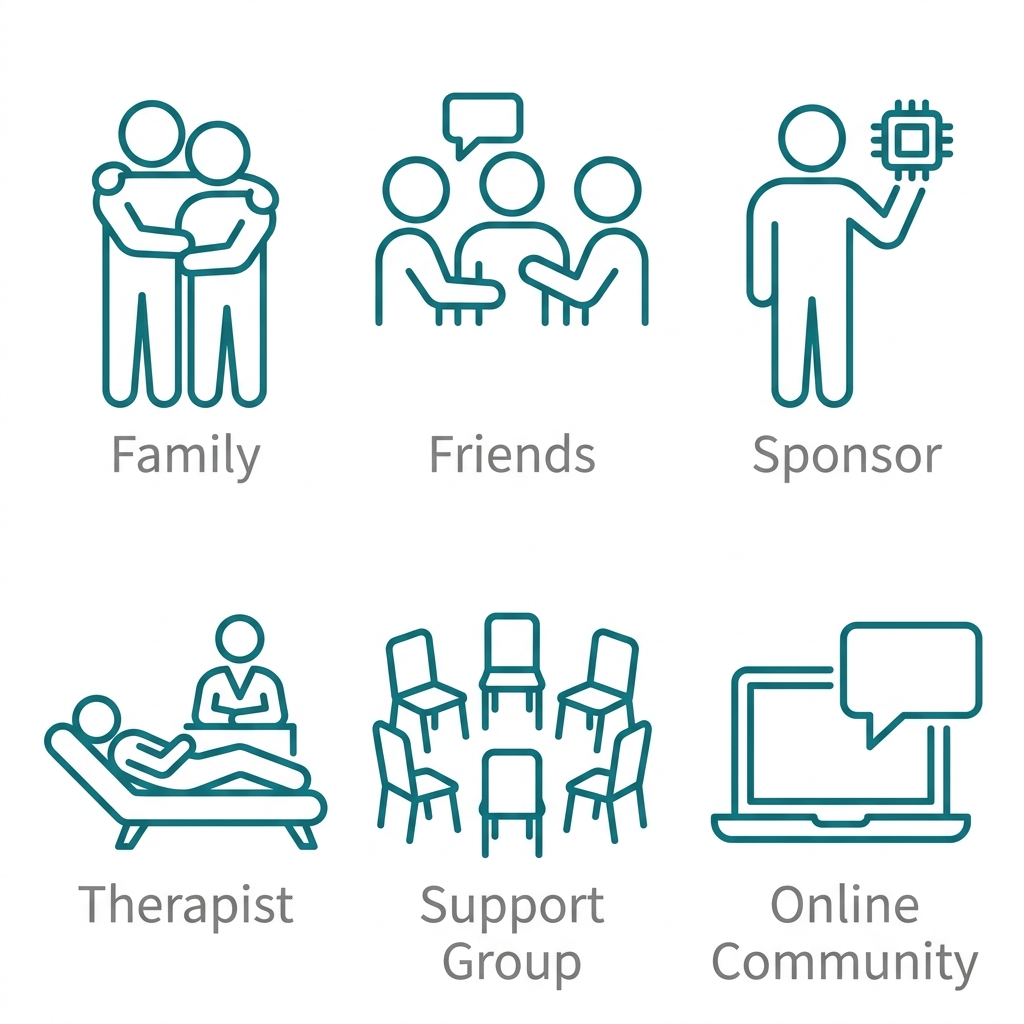
As these neural reward circuits start to shift, we also tend to want to be around other humans again. For most of us, creating a support system of sober-minded friends, including family members, therapists, sponsors, and peers from local groups, will help us find the joy that’s no longer available through substances.
We suggest starting small: attending one local or online support group meeting, reconnecting with a trusted family member, or speaking with a counselor. It helps to focus on two supportive people at first, gradually expanding rather than trying to build a large network immediately.
The connection aids ongoing joy in sobriety as well as helping users embrace regular practices and leisure activities.
Step 4: Develop Healthy Daily Routines and Hobbies
Once this is established, we start focusing on ourselves to create daily structure. We could do things such as:
- Waking up at the same time each day and stepping out for a short morning walk
- Eating meals at regular intervals to sustain energy and mental clarity
- Setting a consistent bedtime that signals the day’s close
There’s no reason we have to throw out all our old habits right off the bat. We can start changing ourselves by doing something simple.
Having hobbies and other activities we enjoy helps us feel proud and satisfied. Drawing, journal writing, working in a small garden, learning how to play a musical instrument fill the gap that substance use once occupied and nurture quiet pride. This kind of structured environment combined with these fun things in life can reduce cravings and help build lasting happiness.
As we make these actions part of our lives, we also become more aware of ourselves, which allows us better control over our emotions.
Step 5: Practice Mindfulness and Emotional Regulation
If you have established some healthy routines, learning to be more mindful will help move you toward lasting happiness without substances. The process of being more mindful starts out as simply being more mindful of your thoughts, emotions and physical sensations all with no judgement. When you notice your cravings and stop and observe what is happening instead of going along for the ride, you give yourself a moment to make other choices.
We can practice with a few simple techniques:
- STOP: Stop what you’re doing, Take a slow breath, Observe your feelings and body, and Proceed with clearer intention.
- Emotional labeling: quietly say, “I notice I feel anger/anxiety/sadness.” Naming the emotion shifts your brain from reacting to reflecting, reducing impulsiveness.
If you practice being mindful each day, eventually a brief moment will be more rewarding than anything a substance could offer. If emotions begin to improve through this exercise, and you are not as affected when they arise, you'll get over things more quickly without feeling impelled to take action. Being steady is essential for making other changes in life, like physical well-being and nutrition plans, which support recovery efforts.
Step 6: Embrace Physical Wellness and Nutrition
The more we fill our bodies up with this good stuff like being active and eating healthy, the better we'll be at developing happiness without needing any drugs at all. If you get up out there in those parks in PA and go for a little stroll, it can offer a fresh perspective and a mental reset during tough moments. Or maybe you could try brisk walking or yoga. The point is if you make sure you stay moving and nourish your body, you're creating a powerful foundation for building happiness without substances.
If you work out often enough, eat right, and get plenty of water, your body can produce some pretty good chemistry for its own emotional well being. When you protect that, you allow your body time to fix itself and you allow your mind to think clearly. You don't need extreme workouts — consistent, gentle movement like stretching or easy bodyweight exercises fits well into a holistic recovery plan without adding performance pressure.
If any of this makes you feel unsure about moving forward then you may want to consider professional help with recovery. Our team at Rosewood Recovery in Pennsylvania is here to support your journey.
Step 7: Seek Professional Guidance When Needed
When you realized that getting physically well and eating right were not enough, there was another phase to building your life without drugs - figuring out when it made sense to seek outside help. Learning how to be happy without drugs really means understanding when you actually need the help of others. The assistance offered includes therapy, counseling, medical monitoring, group therapy, and more - all of which provide techniques for handling cravings and for establishing long-term happiness. This kind of assistance is important when you have withdrawal symptoms, suffer from co-occurring mental health conditions like depression or anxiety, or have had several prior bouts of relapse. Asking for help is a sign of strength, not a sign of weakness. In recovery programs, you will find lots of other people who have gone through similar experiences and want to help you move forward. In addition, they may teach coping skills and keep you accountable. If you are seeking help, you are taking responsibility, being brave and daring to ask for what you need. Having professional support makes dealing with your inevitable pitfalls easier.
Overcoming Common Hurdles on the Path to Sobriety Joy
We often face hurdles on the path to joy in recovery; one question is how to be happy without drugs. This is a normal part of change, and naming these challenges can help us move through them with more compassion and clarity.
Sometimes emotional pain appears like feeling sad about having no identity any more than our job or the life we thought we would have. Giving the name to the loss, that is saying it out loud or putting it into a few lines on paper can sometimes reduce its intensity and allow us to begin integrating other parts of who we can be. One suggestion is to take ten minutes each day to remember all things which we used to be attached to before and things we’ve learned in the process.
Social problems can get in the way too. Parties, friends, being alone when everyone else does drugs - we don't always need to be excluded from these things, but neither should we cut them out of our lives for good. We could try bringing a sober buddy to an event, arranging short exits, or suggesting activities that don't center on drug use. And, setting small boundaries and communicating well with our friends can help us keep them around as long as we stick to our recovery goals.
When we stop doing something or can't escape our emotions, we become bored or empty. Discovering little delights again, like taking brief walks, writing prompts, or trying out a new hobby for a week, helps us get used to these things again in slow motion. We don't have to make big adjustments, just smaller actions we take regularly accumulate into habits that feel more significant.
There’s nothing wrong with that, nothing to fail at all. We notice them, take small actions, and lean on our friends to help us pick ourselves up, and we keep moving toward sustainable, lasting joy in recovery.
Your Path to Lasting Joy and Recovery
Genuine happiness in sobriety grows from a foundation of self-discovery, healthy coping strategies, and compassionate support. We understand that discovering how to be happy without drugs is the ultimate goal for many people. Through our holistic and somatic therapy programs, we address not just the addiction, but the emotional and spiritual needs that fuel it. Our continuum of care, from partial hospitalization to outpatient services, provides the structure and encouragement needed to reclaim your life. Our Newtown, Pennsylvania, team is committed to walking alongside you, helping you develop the tools to maintain sobriety and find fulfillment. If you're ready to take the first step, contact Rosewood Recovery for a confidential conversation about your options. We'll help you explore a treatment plan that fits your unique situation. Please note that individual results vary based on personal commitment and circumstances; this content is for educational purposes and is not a substitute for professional medical advice.
Start Your Recovery Journey Today
You've now explored the essential steps for rebuilding natural happiness, from understanding your brain's dopamine recovery to building a support network and healthy routines. The path to a joyful, drug-free life is within reach, but you don't have to walk it alone. The Newtown, Pennsylvania team offers a holistic, evidence-based approach tailored to your needs. Their programs, including PHP, IOP, and general outpatient services, can provide the professional guidance that makes a real difference. Reaching out is a courageous step, and our compassionate team is ready to help you take it. Call (267) 651-4817 or visit our site to learn more about beginning your personal recovery journey. Your brain's healing potential is already at work—give it the support it deserves.