

Table of Contents
Why the First Week of Sobriety Feels So Hard
If asked what is the hardest week of sobriety, most would likely say it is the first one. It’s during these first seven days that your body and mind get used to working without the drugs or alcohol in their systems again. This causes intense physical withdrawal, emotions getting all mixed up, and long-standing habits getting thrown off. The early days can be an emotional roller coaster for those trying to stay clean as they experience intense cravings, difficulty sleeping, and the loss of a familiar daily routine.
Some typical symptoms may include waking up at all hours in the night, mood swings, unrelenting cravings to take drugs/alcohol, loss of a schedule you once had because it was focused on using substances. They can be common responses your body and/or brain are going through when it tries to “reboot,” but they don’t make recovery impossible. This intense feeling is a phase, a short-lived episode, that does not have to become the norm.
It’s only for now, though, and with appropriate support this doesn’t have to be as scary. At Rosewood Recovery, we understand that this stage is hard, which is why we’ll work alongside you to ease your mind. Recovery Begins Here.
What Happens to Your Body and Mind in Early Recovery
The first few days and weeks of going without drugs or alcohol can feel like riding a rollercoaster you never signed up for. Often we notice our body and mind reacting at the same time, and understanding what's happening helps us realize these changes aren't a sign of failure, they're simply our system recalibrating after being used to substances. When you stop using, your brain and body need time to relearn how to function without the chemicals they've grown accustomed to, and that adjustment period is what early recovery really is.
Physical Changes You May Notice
There’s often a bit of insomnia when first entering recovery, in which some struggle getting off to sleep at night while others are up way before sunrise with little energy to follow. You may experience fatigue that makes it hard for you to get out of bed during the day, along with changes in your hunger or appetite; sometimes you will eat more than normal, other times less. The physical urges will still show themselves and become strong, such as those things that always made you crave alcohol or drugs will take over and give you a bad case of the urge. Although these reactions seem irrational, they don’t have to be since you are slowly adapting to the way your body can function without substances, making your system begin to find its new normal.
Emotional and Mental Shifts During the First Weeks
Emotions-wise, you might find yourself experiencing mood swings, moments of panic, or irritability that seem foreign to who you thought you were. Concentration problems, “brain fog,” and feelings that are stronger than ever can be symptoms of the changes happening in your brain when it starts to rewire itself back to normal. The ups and downs aren’t proof that sobriety didn’t work, they are simply the brain learning how to handle its feelings again now that they’re unmedicated. Your brain is like an emotional see-saw for a while until it figures everything out.
There is early recovery, when the body and mind need help to recover, but the honest answer for what is the hardest week of sobriety is actually very subjective because timing factors in equally as heavily. If you think about how long each of these changes have taken place, it is probably easy to realize these are all only temporary even if they do not seem that way at the time and this means there really is hope of recovery, despite its apparent failure at the moment. As we progress, be assured that even if some steps might seem small or extremely difficult, any positive forward movement is moving us toward rebuilding our lives according to who we truly are.
The Withdrawal Timeline: When Symptoms Begin and Subside
The early period right after you stop drinking alcohol usually will be the most difficult physical period in the process of recovery. These changes have a certain timing pattern to them, which can allow someone going through early stage withdrawal to know if things are getting better or worse.
Short-Term Symptoms in the First Days
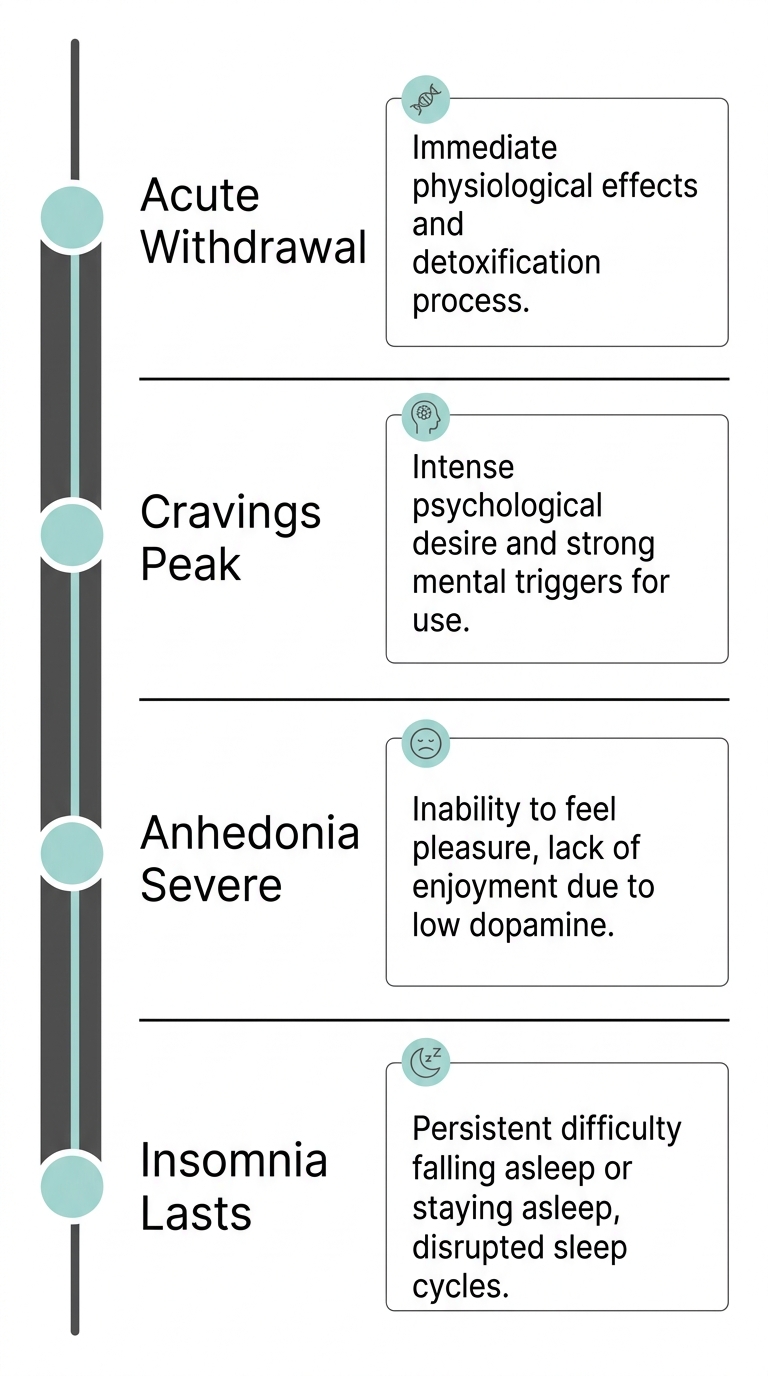
Withdrawal symptoms usually begin just a few hours after stopping drinking alcohol. The first week tends to be the worst part for many individuals, as physical and psychological problems can become severe in a matter of days. Symptoms such as tremors, anxiety, and rapid heartbeat often reach their peak during that initial time frame, underscoring why medical supervision is critical. As such, there’s a common inquiry at this stage about what is the hardest week of sobriety. And according to available evidence, the hardest part of the withdrawal process appears to happen in the first week.
This transition stage takes shape primarily within our bodies over this period of time. Although everyone has their own particular experience with healing, there is generally a strong impact from the first week that determines how well we can recover beyond this point.
Post-Acute Withdrawal: What Lingers and for How Long
Once this initial stage is past, another prolonged state called Post-Acute Withdrawal Syndrome (PAWS) may set in. Although the suffering that results from the first phase may last only a week, some people still battle problems long afterwards. Some issues disappear quickly while others remain for months and even years. It all depends upon which particular symptom one has.
Post-Acute Withdrawal Symptom Timelines
| Symptom Cluster | Typical Peak Period | Expected Duration | What It Means for Recovery |
|---|---|---|---|
| Cravings | First three weeks | Weeks to months | Cravings are strongest early on, making this a critical period for relapse prevention strategies and professional support. |
| Anhedonia | First 30 days | Weeks to months | The inability to feel pleasure is most intense early in recovery, which can make motivation and engagement in treatment feel harder. |
| Insomnia | Acute phase onward | Up to six months | Sleep disturbances are common and can persist longer than other symptoms, impacting daily functioning and emotional resilience. |
| Mood and anxiety symptoms | First three to four months | Months to years | These symptoms often improve over time but can linger for years in some individuals, requiring ongoing coping strategies and support. |
| Cognitive impairment | Acute phase onward | Months to one year | Most cognitive effects resolve within months, though some people may notice subtle lingering impacts for up to a year. |
The graph highlights why early recovery is so challenging. The first week is often the hardest physically, but after this there are many different challenges in the weeks and even months following. This means recognizing these patterns can help people prepare for the emotional and psychological work ahead and seek the right kind of support at each stage.
When you start understanding when cravings and mood symptoms peak, the next step is learning how you can manage them. The Rosewood Recovery team is on hand to provide assistance with these issues through evidence-based treatment methods and compassion matched to each person's needs.
Coping Strategies for Cravings and Early Sobriety Challenges
Research shows that the earliest weeks of sobriety are often the hardest because cravings for alcohol peak during the first three weeks of abstinence. We see this reflected in the experiences of clients who tell us their first month feels flat and difficult, with anhedonia at its most severe. Understanding these timelines helps us prepare practical ways to manage cravings and build support systems that carry us through the toughest days.
Practical Ways to Manage Cravings
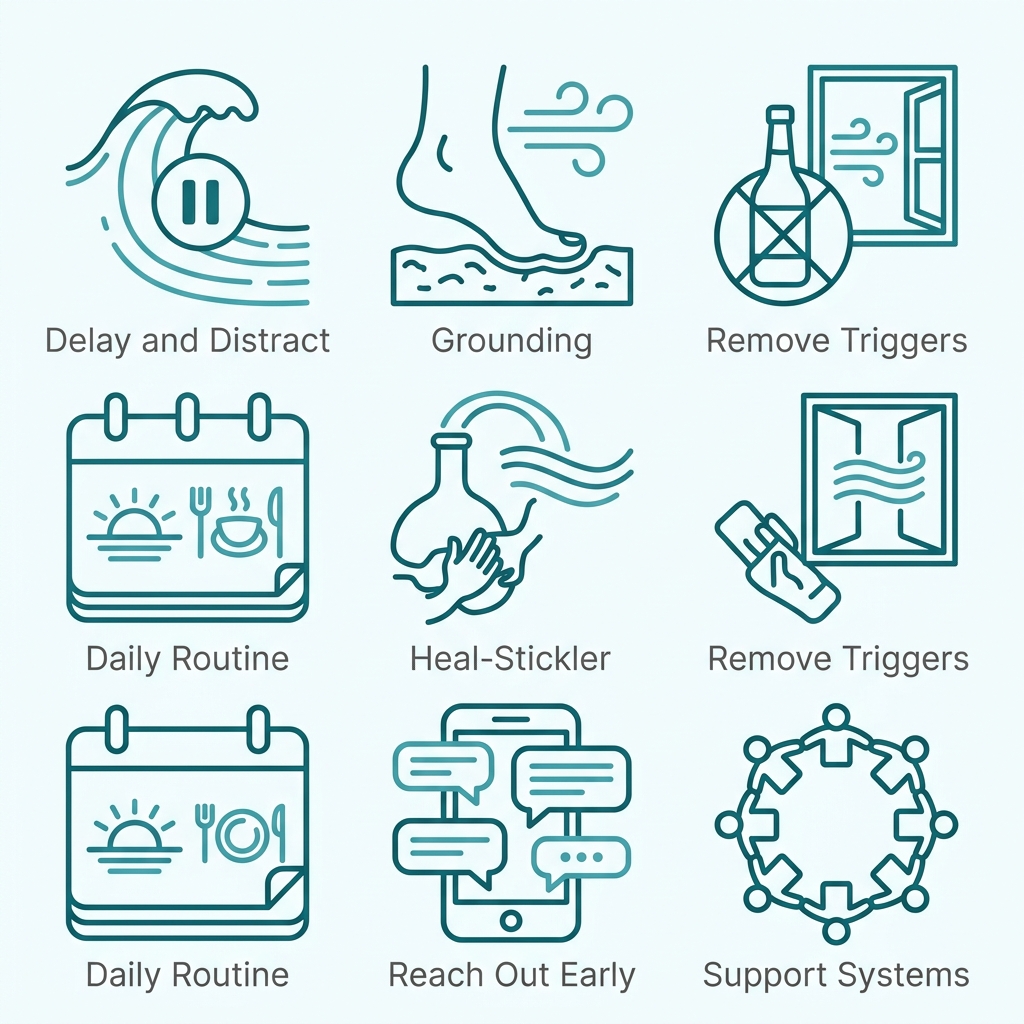
Our desires ebb and flow, so our next move will be to delay and divert ourselves from them. This might take just a few minutes. For example, when I feel tempted to eat something unhealthful, I may take a short walk, make a phone call, or work on some small task that has piled up on my desk. By distracting myself in this way, I let the desire come and go. Grounding helps me stay anchored here and now. If I notice that I’m hungry for a salty snack, I focus on what’s going on around me in the here and now. In other words, if I count how many things I see, feel, hear, smell, or taste, the urge to have that food begins to fade. delay and distract
Another key method involves removing triggers. This could mean clearing alcohol from around the house, avoiding daily walks down the old street, or finding what specifically spurs each person’s addiction cravings. It means pinpointing the person, place, and situation in which they start wanting drugs. In this same vein, building a simple daily structure—regular wake and sleep times, scheduled meals, and planned activity blocks—fills the hours when cravings are strongest with purpose instead of idle time. Staying ahead of our cravings is another ability we need to build into our lives; if we take steps beforehand by knowing who and where help is available, then it makes it easier to actually call on them at such times. Many studies show that cravings peak in the first three weeks, making those crucial steps all the more important.
Building Support Systems That Carry You Through Week One
Connection is what makes the early sobriety journey more than just being on your own again. Although structured days may provide some sense of security, it is actually our connection with people that really helps stabilize us. Having certain people we can trust like friends, people going through the same situation as us at recovery group meetings, therapists, etc., can help reduce the risk of relapse. Just knowing there is someone out there who cares about you enough to keep track of you once a week is sometimes enough for many individuals to go a step further than they would have if left alone.
Professional guidance adds accountability and tools we might not discover on our own. Structured programs give us the monitoring and therapeutic frameworks that make week one—and the weeks beyond—safer and more manageable. This blend of personal effort and clinical support creates a foundation strong enough to weather the early storms of recovery. For many, the first weeks are the hardest, but with the right systems in place, progress becomes possible even in the toughest moments.
How Medical Detox and Structured Treatment Support Early Recovery
If you're wondering what the hardest week of sobriety looks like, it’s the first week when withdrawal symptoms, cravings, and mood disruption peak together. Research shows alcohol cravings reach their highest intensity during the first three weeks of abstinence, making this the window when supervised care is most valuable.
The Role of Medical Detox in the First Week
A medical detox centre provides a safe, supervised environment where our clinical team closely monitors withdrawal symptoms. While comfort is prioritized, we avoid promising a pain-free process because symptoms vary by person. The main aim is to stabilize clients physically and emotionally so they can transition smoothly into the next phase of care. The key reason this initial step is vital, apart from your obvious state of health, is that anhedonia (the inability to experience happiness/joy) tends to occur initially more severely over the first 30 days of being abstinent.
While withdrawal-related insomnia can last as long as six months and cognitive problems typically resolve within months, residual effects may persist up to a year. Medical detox sets the foundation for recovery by addressing these challenges before they become overwhelming.
PHP and IOP: Structured Support After Detox
Our Partial Hospitalization Program (PHP) and Intensive Outpatient Program (IOP) are located in Newtown, Pennsylvania, providing clinical structure on a daily basis when cravings and mood symptoms are at their worst. The PHP program provides intensive therapy and support, enabling clients to go home each evening, whereas the IOP program provides a flexible schedule for those balancing recovery with daily responsibilities.
Each program combines holistic and somatic interventions, along with evidence-based therapies in order to address the full range of needs at the early stages of recovery. Clients may step down from PHP/IOP into our general outpatient program once their symptoms start to dissipate, ensuring that they continue receiving support as circumstances change.
Common Questions About Early Sobriety
We often hear people ask, what is the hardest week of sobriety? Research on protracted withdrawal shows cravings peak in the first three weeks, making this period especially tough. Sleep can also be disrupted for up to six months, adding to the challenge.
What is the hardest day of sobriety? The answer varies, but the timeline above helps explain why early days feel so difficult. Mood symptoms and cognitive effects typically ease within months, though some residual effects may linger up to a year.
Why is the first year of sobriety difficult? The first year consists of a lot of intense urges, fluctuating moods, and poor sleep that takes time to even out for most people. Nobody has to go through this alone though.
Recovery Begins Here: Taking Your First Step
The hardest stretch of early sobriety often arrives around week two or three, when the initial relief fades and the real work begins. Recovery is possible, and support can make all the difference. Our team in Newtown, PA offers Partial Hospitalization, Intensive Outpatient, and General Outpatient programs designed to meet you where you are with evidence-based care and a holistic approach. Reach out today to schedule a consultation and take your next step forward.
Please talk with your doctor about ways to treat the condition.
Recovery Begins Here Today
Now that you understand why the first weeks of sobriety feel so hard — and that cravings tend to peak within the first three weeks — you don't have to face that stretch alone. We offer medical detox support along with a Partial Hospitalization Program, Intensive Outpatient Program, and General Outpatient care in Newtown, Pennsylvania. Our approach blends evidence-based therapies like CBT, DBT, and EMDR with holistic and somatic practices such as yoga and mindfulness. With low staff-to-client ratios, every person receives personalized support through the toughest early days and beyond. Everyone's journey looks different, and results depend on individual circumstances and engagement. Please consult with a healthcare provider about the treatment options that fit your situation. Call us at (267) 651-4817 or visit us at 140 Terry Dr Suite 118, Newtown, PA 18940 to schedule a consultation and take your first step toward recovery.